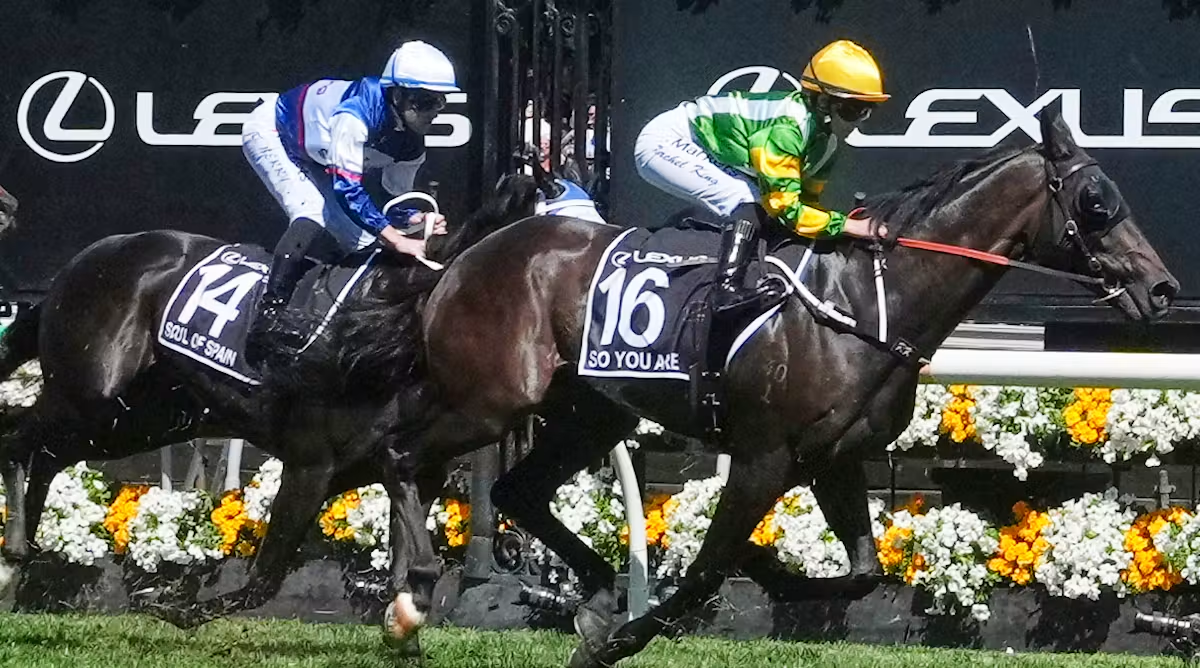
The body of Melbourne Cup racehorse So You Are was found in a skip bin at a Sydney landfill on Tuesday after the five-year-old gelding was euthanised for severe colic at an equine specialist hospital. The vet hospital apologised, stating its contracted provider should have buried the horse promptly at the licensed landfill. Racing NSW is investigating.
Many horse owners cannot bury dead horses at home due to lack of property, space, or suitable distance from water bodies. An adult horse weighs around 500 kilograms and requires at least two metres of soil over the carcass for safe burial.
Licensed landfills are the standard disposal option for dead horses, according to NSW Department of Primary Industries guidance. The standard procedure requires carcasses to be placed in designated areas and covered without delay. Knackeries can accept horses killed by captive bolt or firearms, but not those euthanised with drugs.
Vets typically euthanise horses with an intravenous barbiturate overdose. The drug breaks down slowly and remains in tissue after death, creating risks of secondary poisoning if animals consume the carcass. Studies of composted horse carcasses found the drug still present in compost and soil liquids. A review of reported poisoning cases found 86% of poisoned wild animals were eagles or their relatives, with dogs the most often reported domestic victims.
A carcass left in an open skip bin risks being reached by birds and may be moved with general waste rather than deeply buried. Extended exposure can cause odours and create conditions for fly breeding, which can transmit disease.
The article states the euthanasia itself met veterinary standards and poses no animal welfare concern, since a dead horse experiences nothing. The distress belongs to people who cared for him, and the risk lies with living animals that might scavenge the carcass.