Researchers at the University of Melbourne conducted a study on native plant gardens planted in nature strips across the City of Merri-bek in Melbourne's inner north. Nature strips are areas of public land between private property and the kerb, typically composed of lawn and a street tree.
The study compared insect pollinator activity before and after native plants replaced lawn in these strips. Researchers found seven times more insect pollinators visiting the native-planted nature strips compared to lawn-only strips. The planted strips also hosted double the number of insect species.
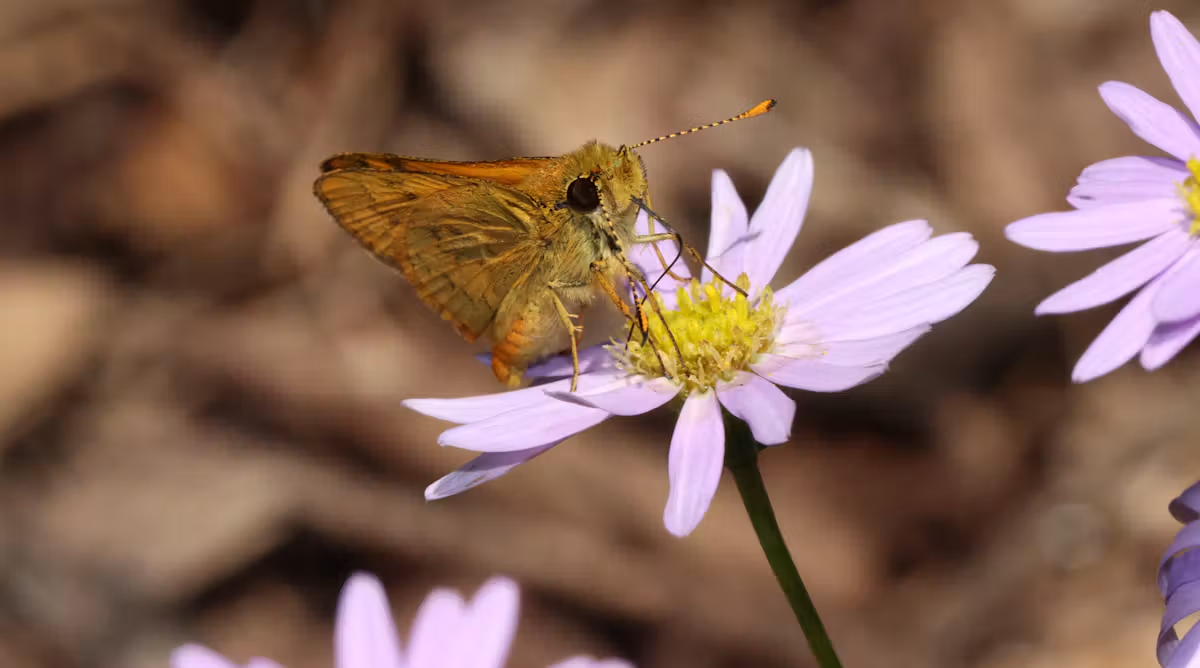
Native bees drove most of this increase. They foraged for nectar and pollen in Wahlenbergia, Goodenia ovata, and Brachyscome multifida.
Nature strips and road verges compose more than one third of public green space in Melbourne. Most councils across Greater Melbourne permit residents to convert nature strips into gardens to boost biodiversity.
Preparing a nature strip requires removing existing lawn, a process the researchers recommend completing over summer so planting can occur in autumn. Plants will then establish through cooler, wetter months and mature by spring. Residents planning to plant a nature strip should check local council guidelines and choose a wide variety of native plants suited to streetscape conditions.