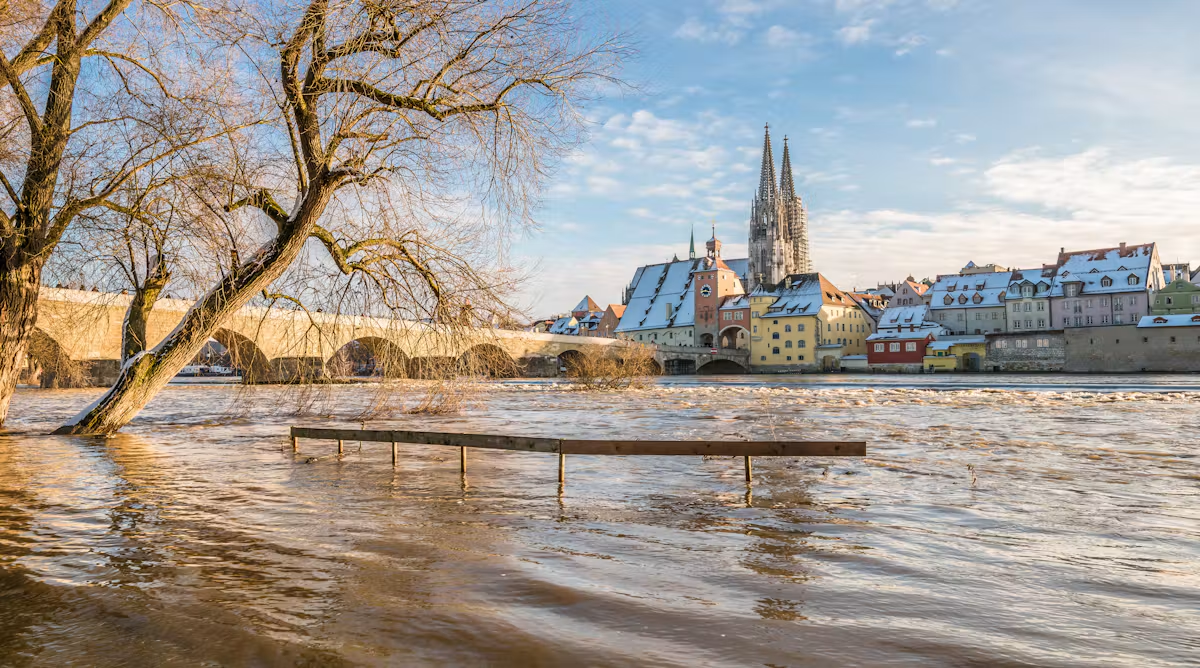
Extreme weather across Europe has exposed significant adaptation failures in wealthy countries despite their resources and institutions. Spain's 2024 Valencia floods killed 200 people. Germany's 2021 floods revealed weaknesses in early-warning communication. France experienced large-scale wildfires leading to evacuations and reduced air quality.
Researchers from Lund University found that vulnerability to climate extremes in high-income countries stems not from lack of resources but from fragmented governance across different levels. Local authorities in Sweden and the UK manage growing climate risks without adequate national support or funding.
Migrant, elderly and low-income communities face disproportionate impacts from climate-induced extremes. These vulnerabilities reflect housing quality, income levels, health conditions and political influence, not simply exposure to extreme weather.
The UK faces specific risks. Older homes are vulnerable to heat and cold extremes. Coastal areas in East Anglia experience some of Europe's fastest erosion, threatening homes and national energy infrastructure. The Climate Change Committee has emphasised inadequate adaptation progress.
In Sweden, confidence in strong institutions masks underlying vulnerabilities. The Nordic country has one of Europe's oldest populations, creating new forms of vulnerability to heatwaves. Coastal communities face increasing flooding and erosion. The Sami Indigenous peoples are losing livelihoods as ecological losses impact reindeer herding.
Adaptation is often framed as a technical challenge requiring better infrastructure or early warning systems. These measures are necessary but insufficient without addressing governance fragmentation. In Sweden, municipalities carry local adaptation responsibility but lack national support. In the UK, local authority efforts face constraints from national-level policies and budgets.
The EU's emerging Framework for Climate Resilience offers potential to address these gaps by strengthening Europe's preparedness. Whether stronger EU ambitions translate to effective action remains uncertain.