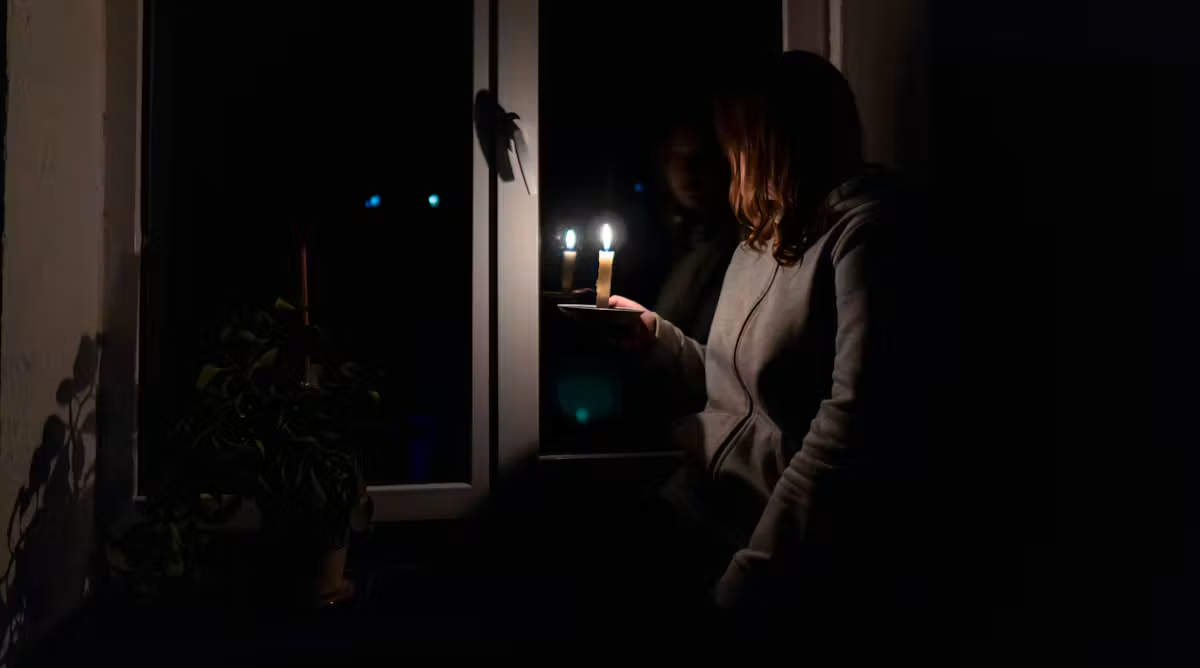
The UK government's Be Ready campaign advises households to stockpile three days of food and drink for emergencies. The campaign launched in October, days before Storm Austen and Storm Boelo caused power cuts affecting around 838,000 people, some for days. A November Microsoft outage disrupted services for nearly 24 hours, affecting hospitals, schools and workplaces.
The Be Ready guide functions as a shopping list but omits a critical element: a family plan agreed in advance. James David Raven, a doctoral researcher at Anglia Ruskin University, argues that families need to establish "common knowledge," a term describing information everyone knows others also know.
When families cannot communicate by phone or text, Raven writes, a prearranged plan becomes essential. Without it, family members separated during a disruption may not know where to meet or what to expect.
Raven recommends four components of a household plan. Families should designate a home meeting point and a walkable fallback location, such as a community building, if home becomes unsafe. They should set a time rule, moving to the fallback location if they have not met at home by an agreed time.
If networks remain operational during a power failure, families should agree on phone check-in times using an easy pattern like noon, 3pm and 6pm, turning phones on for 10 minutes at each interval. Households should decide in advance who will collect children or dependents from school.
The plan should be written on card and kept in multiple locations: school bags, briefcases, on refrigerators and in car glove compartments. Raven advises families to discuss and agree on these details together before an emergency occurs.
Scotland's emergency guidance already includes meeting places but does not explain why agreement matters or cover phone-on times and time rules, Raven notes.