COP31 negotiations in Turkey will for the first time require nations to report climate data separately by gender, rather than as combined totals. The shift reflects research showing climate change affects men and women differently across Australia.
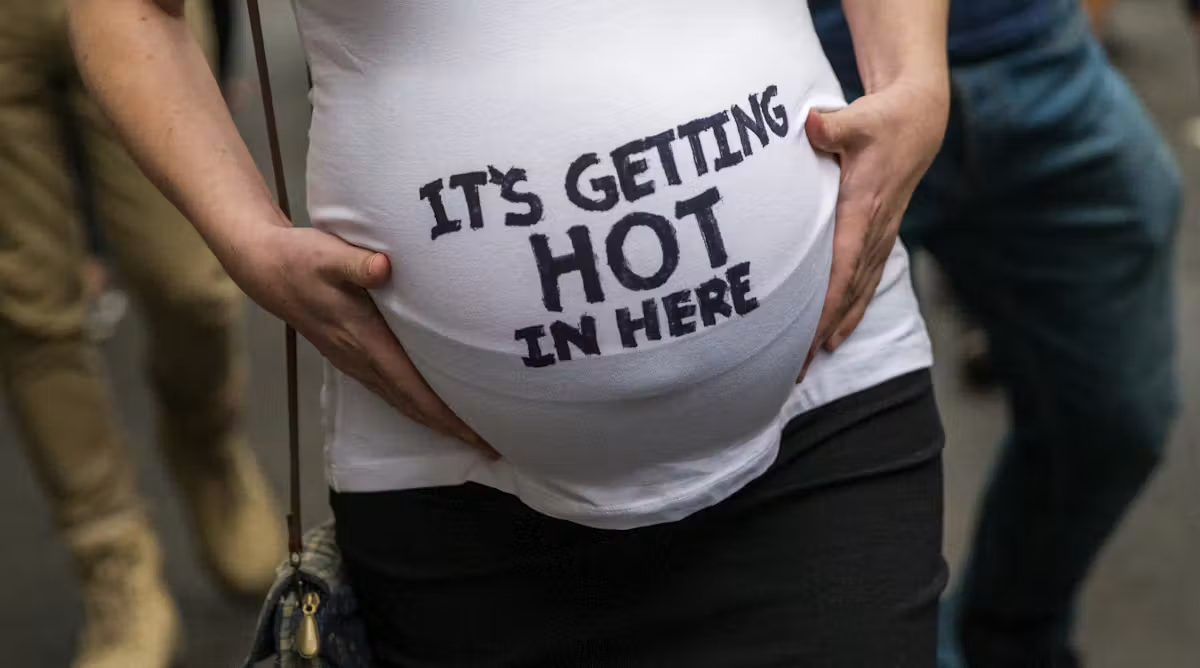
Heatwaves, the leading cause of disaster-related death in Australia, pose greater risk to pregnant women due to physiological changes that alter temperature response. A 2022 European heatwave found heat-related deaths were 56% higher among women, particularly older women. Women dominate Australian caring professions, placing them at double risk of both experiencing heat impacts and caring for others affected.
Rising temperatures correlate with increases in intimate partner violence documented globally and in Australia. For every one degree rise in temperature, intimate-partner violence increases 4.7%. Heat stress may increase irritability and aggressive behaviour, forcing people to spend more time in hot homes.
A policy brief for the World Health Organization shows climate change deepens health inequalities for women and girls in the Western Pacific region, including Australia. Australian healthcare systems are not yet prepared for climate change. A survey of recent studies found 68% indicated women are more affected by health consequences of climate change than men.
A representative survey of Australian voters found 36% of 18-34 year olds hesitate to have children due to climate change. Across all responses, men are slightly more hesitant than women. Three-quarters of surveyed Australians of all genders believe gender-responsive climate policy is necessary.
The National Climate Risk Assessment, Australia's first assessment of climate risks, mentions "gender" only three times in a 273-page document. Two mentions appear in citations. Australia's 2026 budget included no new measures for gendered impacts of climate change.