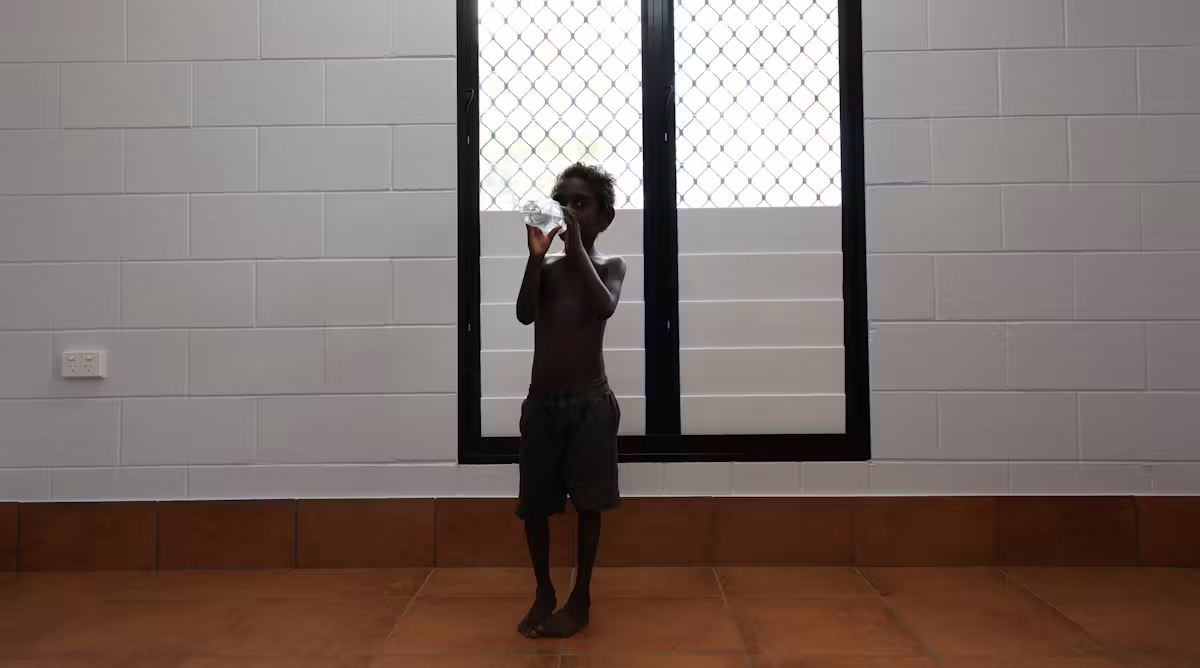
In June 2024, Commonwealth and Northern Territory governments signed a ten-year remote housing agreement committing $4 billion to build up to 2,700 homes across 73 remote communities in the Northern Territory. The investment aims to halve overcrowding, which affects more than half of the roughly 40,000 Aboriginal people living in these areas.
A post-occupancy evaluation of housing delivered under the previous 2018–2023 agreement found persistent governance problems. Researchers visited five communities in 2024 and interviewed 35 tenants along with housing reference group members, councils, and contractors. Many new houses functioned well, but residents reported stress tied to opaque housing allocation decisions, years of waiting for homes, and unfinished repairs.
The core problem identified was governments' reluctance to give communities genuine decision-making authority. Housing reference groups, established in 2010, operate only in an advisory capacity. Group members told researchers that advice is "often overruled" and meeting records were sparse. A 2013 evaluation had made the same recommendation: give housing reference groups "more than an advisory role" in allocating houses.
Overcrowding persisted partly due to design failures made without resident input. Nearly half of tenants reported feeling stressed, crowded, or unsafe. Some houses had west-facing bedrooms without air conditioning, forcing families to sleep in the one cooled living area and recreating the crowding the new houses were meant to relieve.
The evaluation recommended governance reforms including genuine shared decision-making authority for housing reference groups, paid and trained group members, mandatory resident input on house placement before plans are finalized, and Aboriginal organizations as partners in construction and maintenance. The agreement was completed in August 2024 but not publicly released until October 2026. The next independent review is not scheduled until 2029–30, by which time nearly a quarter of the ten-year program will have passed.