A research team examining trade data found that the commercial reptile industry, both legal and illegal, poses relatively modest direct threats to wild reptile populations.
Researchers led by Timothy Colston at the International Union for the Conservation of Nature (IUCN) analyzed reptile skin trade records from 2000 to 2020. They found that over 70 million reptile skins traded during that period came from fewer than 50 species, mostly crocodiles, snakes and lizards. This represents only a fraction of the more than 10,000 known reptile species globally. Wild populations of the most heavily traded reptiles still appear healthy, the researchers found, likely because these species are ecological generalists with high reproductive rates and benefit from sustained research and management.
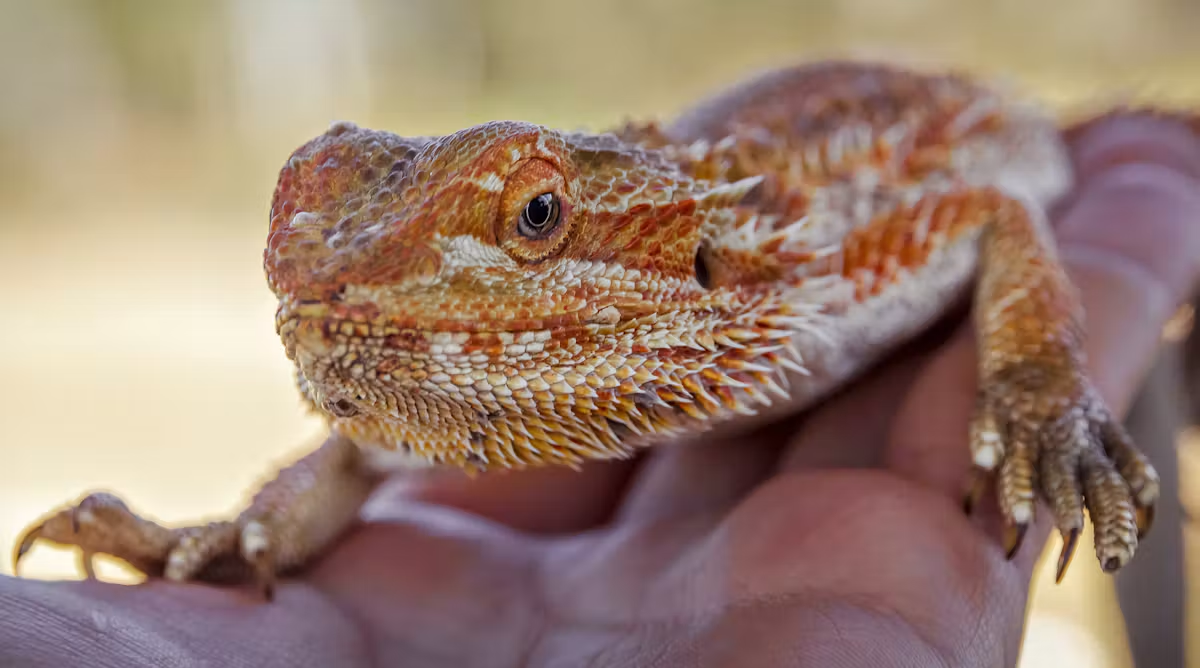
In the pet trade, data on over 340,000 live reptiles and amphibians offered for sale in the United States and United Kingdom between 1989 and 2004 showed that trade focused on a handful of docile, colorful species including kingsnakes, cornsnakes, pythons, bearded dragons and leopard geckos. Most pet reptiles are captive-bred rather than wild-caught. The researchers noted that wild-taken reptiles and amphibians still enter the pet trade through legal and illegal means, but concluded these activities have little impact on wild population health.
The analysis identified one exception: species restricted to small islands or with very slow growth and reproduction rates, such as turtles, where removing even a few adult females can significantly harm populations.
The researchers noted that far more wild reptiles are killed by vehicles, harvested for traditional medicines, or lost to habitat destruction, invasive species, disease and climate change than through the pet and skin trades. They argued that resources directed at intercepting smuggled animals would be better spent addressing climate change, invasive pests and habitat loss.