A working group of 21 international researchers, funded by the U.S. National Science Foundation, documented how insects support vertebrate life far beyond serving as food. The group met for a year and a half as part of a Research Coordination Network on the Status of Insects to examine what declining insect populations could mean for birds, bats, and other animals.
Insects function as ecosystem engineers. Termites and ants build structures that other species inhabit. Termite nests provide climate-controlled nesting sites for parrots and egg-laying spots for reptiles. In dry regions, some frogs live inside ant nests to access humid conditions. The soil around termite mounds allows naked mole rats and aardvarks to burrow, and ant nests concentrate nutrients that improve grazing habitat for gazelles.
Vertebrates depend on insects for chemical defense. Horned lizards convert chemicals from ants into toxic, blood-spurting defenses against predators like big cats. Poisonous frogs derive toxicity from insects they consume. Some birds nest deliberately near wasp nests because the sting threat deters predators.
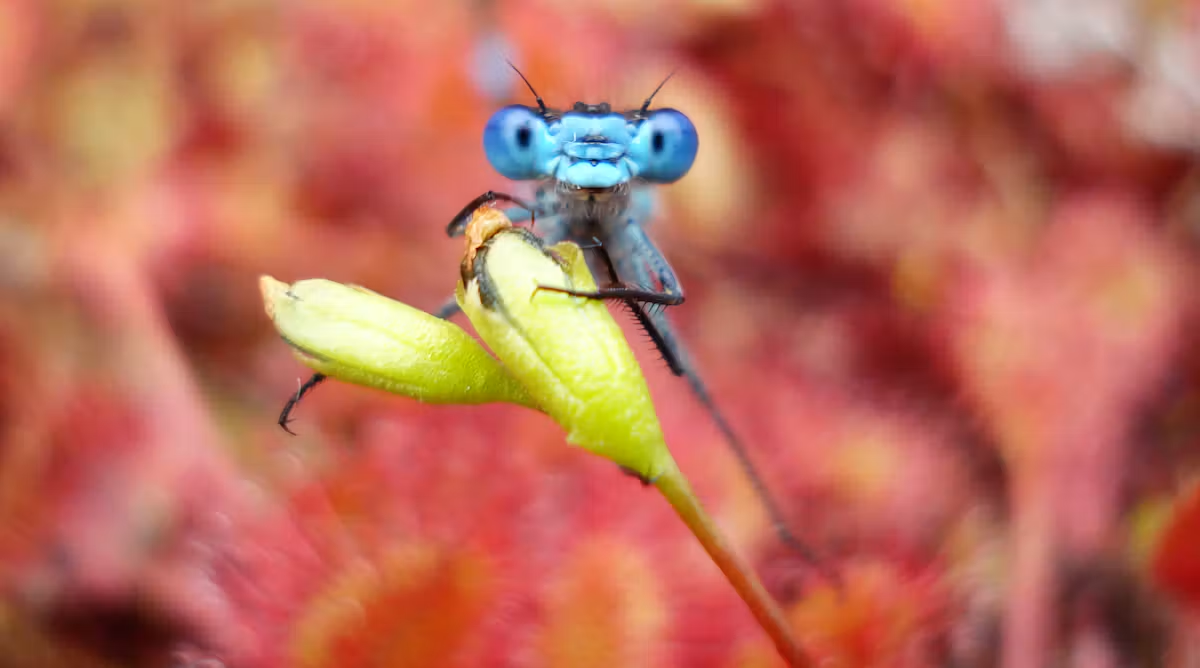
Insects reduce disease transmission by decomposing carcasses and dung. By tunneling through dung, insects make it unsuitable habitat for parasites. Dragonfly larvae, in their aquatic stage, eat mosquito larvae and help control mosquito populations. In Australia, scientists used mosquitoes to transmit a virus that controlled invasive rabbits, allowing bilbies and other native marsupials to rebound.
Researchers have discovered hundreds of medicinal compounds in insects. Chimpanzees press flying insects into wounds, suggesting medicinal effects, though the specific insect species remain unknown.
Insects dominate terrestrial and freshwater ecosystems by biomass. If all Earth's insects were weighed together, they would outweigh all wild vertebrates and equal the combined weight of humans and livestock.
Insects provide indirect food supply effects. Small wasps are the only pollinators of fig trees, which provide fruit to over 1,200 vertebrate species. Changes in insect communities alter vertebrate interactions. When an invasive ant disrupted a native ant and acacia relationship, more elephants consumed acacia, making it harder for lions to ambush zebras and causing lions to hunt more buffalo.
Sloths rely on a moth species living in their fur. The moths provide nutrients to algae growing in the sloth's fur, which the sloth eats. The algae gives sloths green camouflage. Sloths descend weekly to defecate, allowing moths to complete their life cycle in the dung.
The researchers published their findings in Nature Reviews Biodiversity.