The New World screwworm, a flesh-eating fly that has not reproduced on the U.S. mainland for over 50 years, is spreading again. As of November 5, 2026, authorities recorded 116 detections in animals, including livestock in Texas and New Mexico and two elk shot by hunters in Texas.
The parasite attacks all warm-blooded animals. Larvae feed on living tissue, laying eggs in open wounds or body openings like eyes, noses, and tick bites. After hatching, maggots burrow into flesh, enlarge wounds, and attract more flies. Infection and death follow.
The U.S. eradicated the screwworm from the mainland in 1966 using sterile male fly releases and animal treatment. In the 1950s, livestock producers in the Southwest lost up to $100 million annually to infections. The parasite had been contained south of Panama's Darién Gap region, but cattle and wildlife movement likely brought it northward. Detections have occurred in Mexico since 2022.
The screwworm's only documented wildlife outbreak in the U.S. since eradication occurred in July 2016 in Florida's endangered Key deer population, estimated at 800 to 1,000 individuals. Biologists inspected over 16,900 animals, released 150 million sterile flies, and declared the parasite eradicated on March 23, 2017, though the Key deer population lost 9% to 20%.
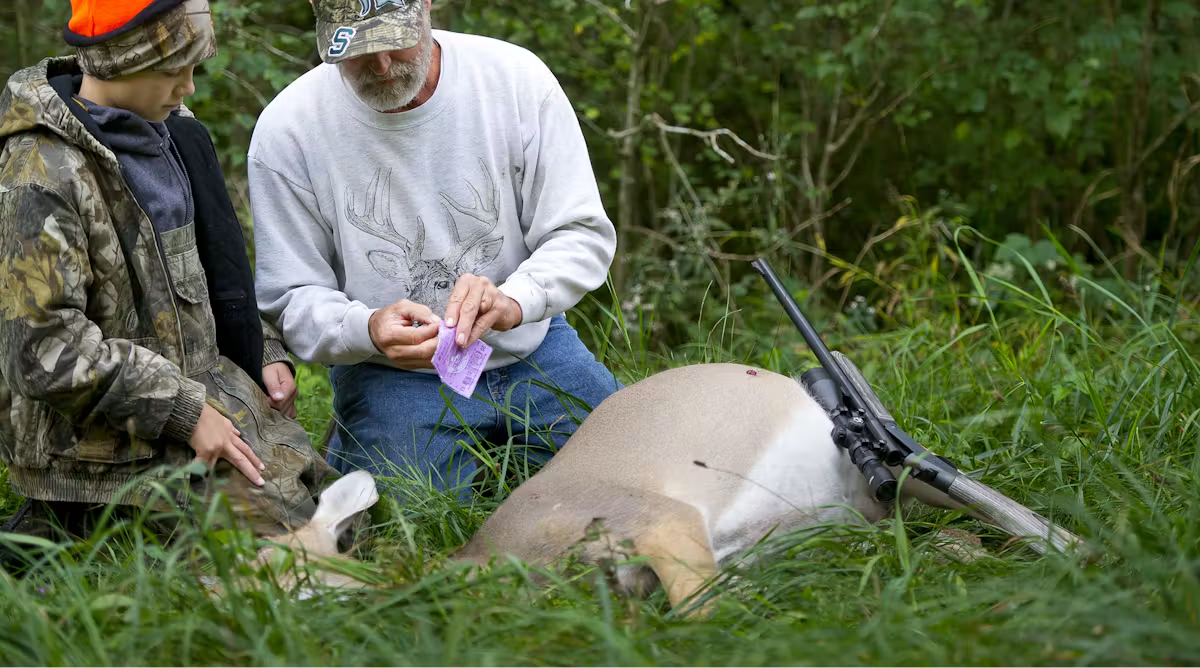
The U.S. government is ramping up production of sterile flies. Wildlife detection remains difficult compared to livestock because wild animals cannot be treated individually. Nearly 11.5 million hunters pursue big game annually according to the U.S. Fish and Wildlife Service. New Mexico's Department of Agriculture has asked hunters to report suspicious larvae, particularly in Grant and Otero counties. Hunters should not move harvested animals showing screwworm signs and should contact state wildlife agencies, the U.S. Department of Agriculture, or a veterinarian immediately.