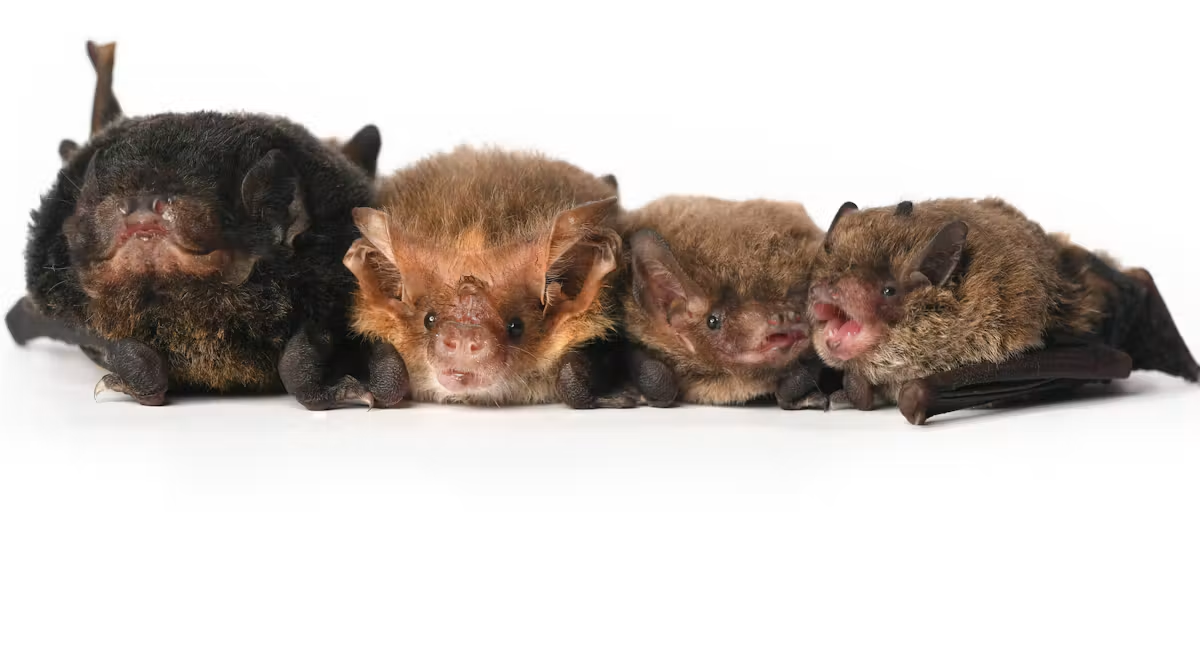
Researchers at Murdoch University trained volunteers in Perth, Australia to use bat detectors that convert ultrasonic calls into audible recordings. The team recruited residents from the City of Wanneroo through social media and local networks in 2025. Participants walked set routes through bushland while recording bat calls.
Volunteers detected five bat species across 23 surveys. Gould's wattled bat was the most common species recorded. The team documented Holt's long-eared bat in the City of Wanneroo for the first time, but found no chocolate wattled bats at urban survey sites.
The researchers surveyed participants three times: before training, immediately after training, and following their own field surveys. Participants showed increased knowledge about bats and felt more connected to nature after the project. One volunteer who previously feared bats said they now enjoyed seeing evidence of bats on the detector.
Australia hosts more than 80 bat species. Smaller insect-eating bats and larger flying foxes both play ecosystem roles. Flying foxes pollinate native plants and disperse seeds, while insect-eating bats control insect populations.
The researchers analyzed 51 published bat citizen science studies worldwide. Acoustic surveys using ultrasonic detectors were the most common approach, though few studies examined what participants gained from involvement.