Researchers have developed a new framework to translate corporate fossil fuel emissions into concrete human impacts, moving beyond abstract carbon dioxide figures that obscure the real-world consequences of industrial pollution.
The tool, called Carbon Impacts Tracer, quantifies emissions across eight distinct metrics, including crop losses, infrastructure damage, and heat-related mortality. Rather than allowing corporations to describe their pollution as negligible by invoking parts per million, the framework renders visible what those emissions actually destroy.
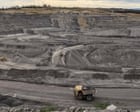
The Hunter Valley Operations coal mine in New South Wales provides a stark case study. If approved, the project will release approximately 809 million tonnes of carbon dioxide equivalent over its operational life. Expressed in conventional climate language, this generates 0.00036 degrees Celsius of additional global warming. The numbers feel abstract, divorced from consequence. They allow regulators and the public to treat them as acceptable trade-offs for jobs and energy supply.
Carbon Impacts Tracer reframes this calculation. The same 809 million tonnes of emissions translates into quantifiable losses across agriculture, human health, and infrastructure. Crops fail in specific regions. Heat waves kill measurable numbers of people. Coastal infrastructure requires costlier maintenance or relocation. The framework forces a confrontation with specificity.
This methodological shift challenges a foundational problem in climate policy. Corporations routinely argue their emissions represent a trivial fraction of global totals. They claim individual projects, facilities, or operations contribute negligibly to atmospheric concentrations. This rhetorical strategy exploits the psychological distance between abstract emissions figures and tangible harm.
The Guardian's analysis of the Hunter Valley proposal reveals how this accounting gap functions in real regulatory environments. New South Wales authorities must weigh coal revenue against climate impacts. Without tools to translate emissions into local consequences, decision-makers default to framing climate effects as diffuse, distant, and therefore acceptable.
Carbon Impacts Tracer shifts the burden of proof. By estimating lost food production from emissions caused by a specific mine, the framework anchors climate impact to measurable economic and human costs. A corporation cannot credibly argue that crop losses in multiple countries represent acceptable externalities while simultaneously claiming its emissions barely register globally.
The tool builds on established climate science. Research on carbon dioxide's warming potential, heat-related mortality curves, and agricultural vulnerability to temperature shifts all feed into the model. What Carbon Impacts Tracer adds is institutional transparency. It forces the conversation away from whether emissions matter and toward who bears the cost.
Regulators in Australia and elsewhere face pressure to approve resource extraction projects. Fossil fuel industries argue that rejecting projects shifts emissions burden to other nations with lower environmental standards. This so-called carbon leakage logic assumes emissions impacts remain geographically disconnected from their sources. Carbon Impacts Tracer undermines this assumption by demonstrating that atmospheric emissions create measurable harms across multiple continents.
The framework arrives as Australian planning authorities evaluate the Hunter Valley extension. How regulators respond to Carbon Impacts Tracer's methodology will signal whether climate impact quantification influences mining approvals. If accepted, similar tools could reshape environmental review processes globally, forcing corporations to articulate not abstract emissions shares but concrete human and agricultural losses their projects generate.