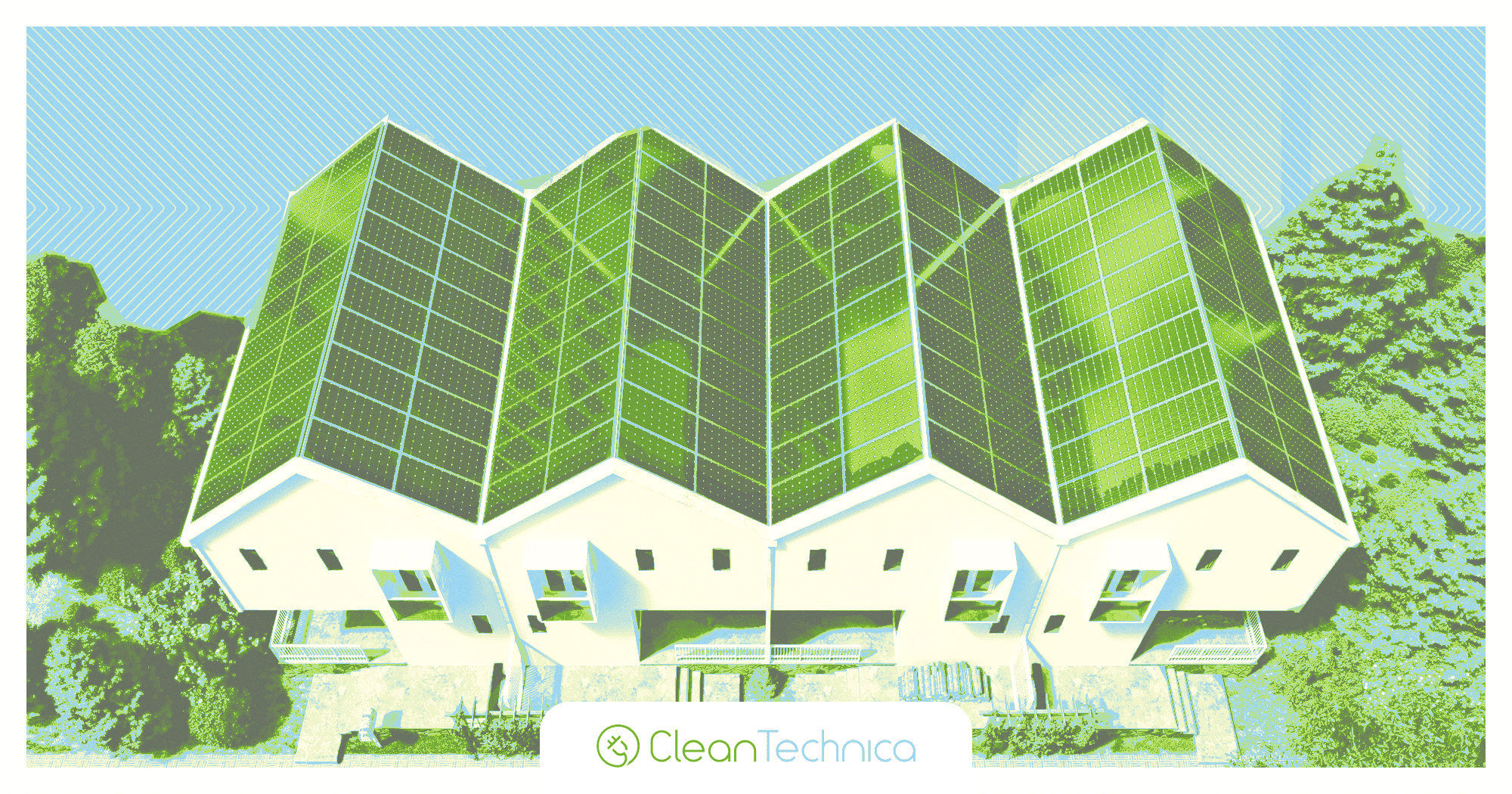
The Solar Energy Industries Association and Current Energy Group released a whitepaper today detailing how grid operators and energy regulators can integrate distributed energy resources, particularly rooftop solar and battery storage systems, to strengthen grid reliability while lowering consumer costs.
The report addresses a fundamental challenge facing U.S. electricity markets. Grid operators currently manage power flow from centralized generation sources, but this model struggles to accommodate the rapid growth of rooftop solar installations and distributed battery systems. The SEIA whitepaper provides a technical and regulatory roadmap for operators to treat these decentralized resources as grid assets rather than obstacles.
Distributed energy resources comprise small-scale generation and storage systems located at or near customer sites. Solar panels on residential and commercial roofs represent the largest category. Battery storage systems, ranging from home-scale units to utility-grade installations, form a second component. Together, these resources inject power into the grid during peak demand periods and provide backup capacity during outages.
The whitepaper examines how regulatory frameworks can incentivize grid operators to harness these resources. Current market rules often penalize distributed solar and storage by restricting their participation in wholesale electricity markets. Grid operators compensated through traditional utility models have minimal financial incentive to coordinate with distributed resources. The report outlines compensation mechanisms that align grid operator interests with renewable deployment.
Three core recommendations emerge from the analysis. First, regulators should enable grid operators to directly compensate distributed solar and storage systems for grid services like voltage support and frequency regulation. These technical services currently rely on expensive conventional power plants. Distributed resources can provide equivalent support at lower cost. Second, regulators should revise interconnection standards to streamline the process for connecting solar and storage to distribution networks. Current procedures take months or years, creating barriers to deployment. Third, grid operators should adopt software platforms enabling real-time coordination of thousands of distributed systems, treating them collectively as a virtual power plant.
The business case strengthens as battery storage costs continue declining. Residential battery systems cost approximately 60 percent less than five years ago. As storage deployment accelerates, grid operators gain access to increasingly reliable capacity for peak demand periods. Solar plus storage systems can reduce or eliminate evening peak demand, the period when grid operators currently rely on expensive natural gas plants.
State regulators in California, Massachusetts, and New York have begun implementing similar frameworks. California's rule changes in 2022 allowed distributed solar and storage to bid into wholesale markets, generating millions in annual payments to system owners. Massachusetts launched a competitive procurement process specifically for distributed resources in 2024. These experiments provide data on how regulatory changes affect deployment rates and grid performance.
The timing reflects urgency around grid modernization. The U.S. electric system faces pressure from electrification of transportation and heating, which will increase peak demand by an estimated 30 to 40 percent over the next two decades. Building that capacity with centralized natural gas plants locks in decades of fossil fuel infrastructure and spending. Leveraging distributed solar and storage offers a pathway to meet demand growth with lower capital costs and near-zero operating emissions.