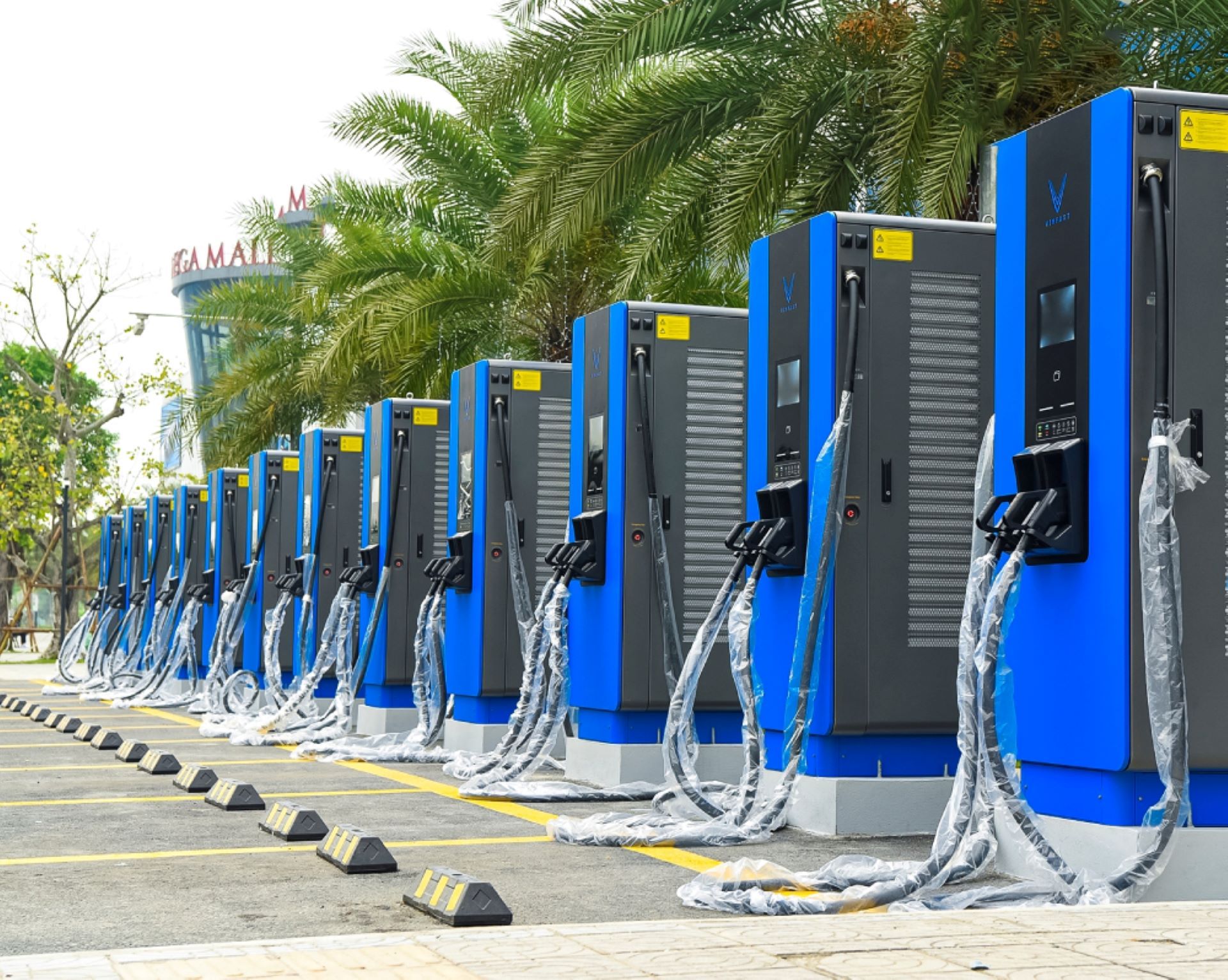
The Philippine government plans to dramatically expand its electric vehicle infrastructure spending, with the Department of Budget and Management proposing a sevenfold budget increase for 2027. The proposed allocation of P228.92 billion marks a turning point for a nation racing to match rapid EV adoption with functional charging networks.
The budget boost reflects mounting pressure on Philippine policymakers. EV sales have accelerated across the archipelago, but charging infrastructure remains fragmented and inadequate. Without coordinated expansion, the country risks creating a fleet of electric vehicles stranded without reliable places to charge. The sevenfold increase signals recognition that incremental spending no longer suffices.
The Philippines has positioned itself as a regional manufacturing hub for EVs and battery components. Major automakers including Nissan and Hyundai operate plants there. This industrial footprint creates both opportunity and obligation. The country cannot attract further automotive investment or compete regionally without ensuring drivers have access to charging networks.
Current charging infrastructure covers only select urban areas and highway corridors. Provincial regions, where the majority of Filipinos live, lack adequate charging stations. The budget proposal targets this disparity by funding expansion beyond Metro Manila and Cebu. Rural electrification efforts will complement EV charging rollout, as many provincial areas lack reliable electrical grids capable of supporting fast-charging stations.
The DBM proposal also addresses supply chain challenges. Battery manufacturing requires stable electricity supplies. Charging infrastructure demands redundant power systems to prevent outages that strand vehicles. The budget increase funds both generation capacity upgrades and distribution grid improvements. Grid modernization will enable the country to integrate renewable energy sources, reducing the carbon intensity of EV charging itself.
Private sector participation remains crucial. The government cannot build and operate every charging station alone. The budget includes incentives for private developers and utility companies to construct networks. Public-private partnership frameworks offer tax breaks and land access to operators who commit to deploying chargers in underserved areas. Competition between providers will theoretically drive down charging costs for consumers.
Timing matters. Neighboring countries Thailand, Indonesia, and Vietnam are simultaneously expanding EV infrastructure. The Philippines risks losing market share if its charging network lags competitors. Foreign automakers considering regional headquarters locations factor infrastructure readiness into decisions. A robust charging network becomes a differentiator in attracting investment.
The 2027 implementation date gives the government roughly 18 months to finalize procurement processes and construction timelines. That window is tight for a project of this scale. The Philippines must navigate supply chain delays, permitting bureaucracy, and technical standards development simultaneously. Grid integration requires coordination between the Department of Energy, utilities, and municipal governments.
Questions remain about cost allocation. Will charging access be subsidized for low-income drivers, or will prices reflect market rates? Will fast chargers concentrate along profitable urban corridors or extend to remote areas? The budget proposal indicates direction, but implementation details will determine whether the expansion reaches all Filipinos or mainly benefits city dwellers.
The sevenfold budget increase represents commitment, but sustained funding beyond 2027 will determine success. EV infrastructure requires ongoing maintenance, upgrades, and expansion as vehicle populations grow. One-time budget boosts, regardless of size, cannot sustain long-term network development. The Philippines must build mechanisms for recurring investment.