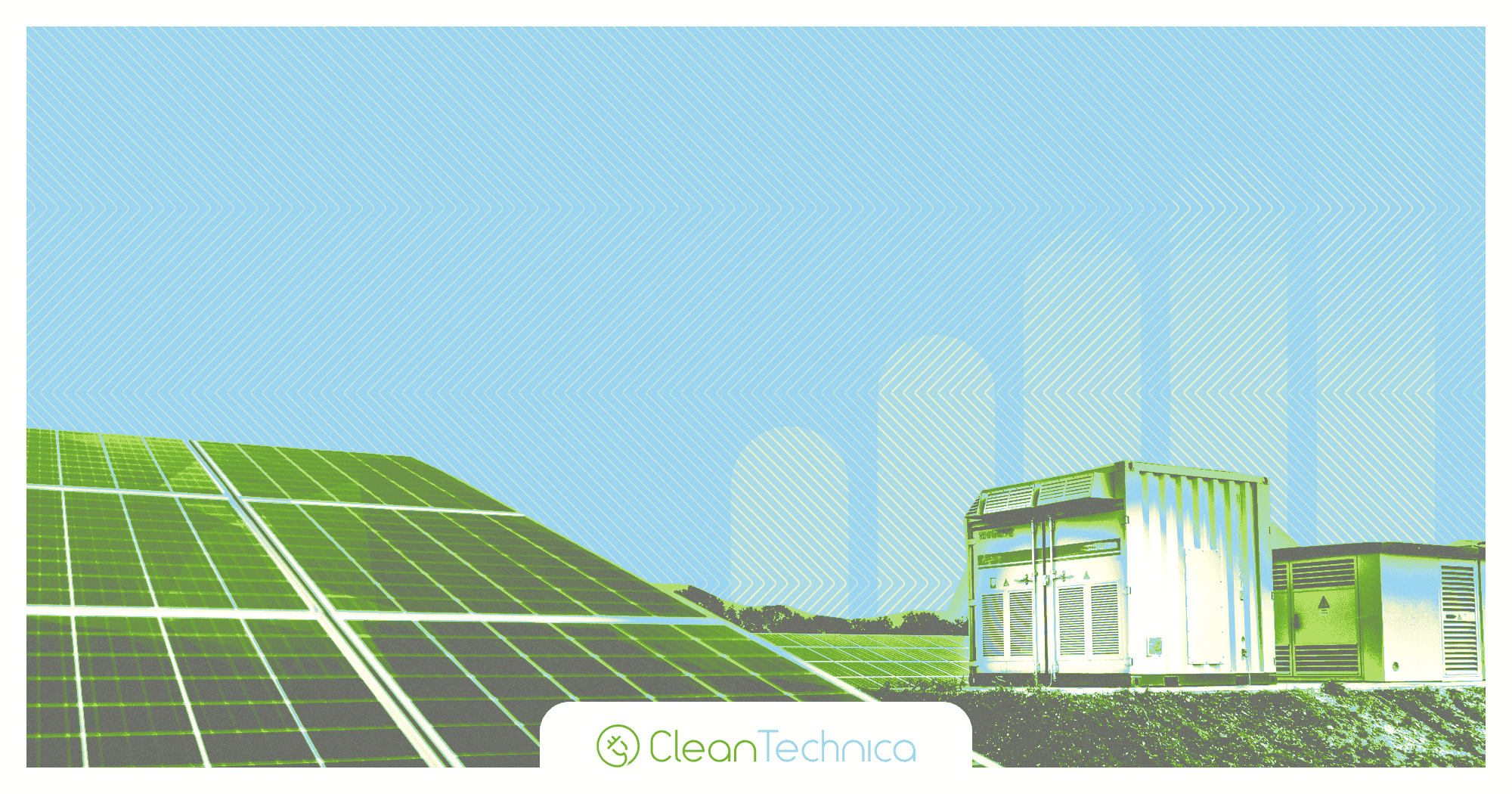
The Texas Public Utility Commission approved Southwestern Public Service Company to close its Tolk coal plant near Lubbock and replace it with renewable energy and battery storage projects. The decision enables SPS to serve Southwest Power Pool customers with clean electricity while maintaining grid reliability.
The closure delivers water conservation benefits. Coal plants require substantial water for cooling operations, and shuttering the Tolk facility will save millions of gallons of water annually. This addresses a critical environmental concern in water-stressed regions of Texas.
The commission also authorized construction of two new natural gas plants alongside the renewable and battery storage installations. This mixed-generation approach balances the transition away from coal with maintaining dispatchable backup power during periods when wind and solar generation fluctuate.
The ruling represents a significant shift in the state's energy infrastructure. Texas has historically relied heavily on coal for baseload power generation, but this decision reflects growing momentum toward cleaner electricity sources. Battery storage projects increasingly complement wind and solar installations to ensure consistent power supply despite variable renewable generation patterns.
SPS serves customers across Texas, Oklahoma, and New Mexico. The company's transition away from the Tolk coal plant demonstrates how regulated utilities can align economic and environmental objectives. Eliminating coal generation reduces both water consumption and greenhouse gas emissions while deploying energy storage technology to manage the inherent variability of wind and solar resources.
The approval signals confidence from Texas regulators in renewable-plus-storage systems as viable replacements for retiring thermal power plants. Water conservation gains become particularly important as the Southwest faces ongoing drought pressures and competing demands for limited water resources. SPS customers will benefit from cleaner air quality and reduced environmental impacts from the transition, even as the company maintains generation capacity through natural gas backup resources.