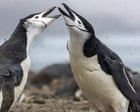
The world's largest penguin colony has crashed dramatically since 2011. Chinstrap penguins on Zavodovski Island in Antarctica, the northernmost of the South Sandwich Islands, have declined by two-thirds in that 13-year span, according to a study published in the research literature.
Scientists attribute the rapid population collapse most likely to the climate crisis. The dramatic loss of penguins on the island raises concerns about broader ecosystem stability in the region. Researchers warn that the decline increases the risk of wider ecosystem collapse in Antarctic waters.
Zavodovski Island hosts the most populous penguin colony on Earth. The chinstrap penguin population there has contracted substantially, marking one of the most severe declines documented in the species. The steep trajectory suggests conditions in the Antarctic have shifted in ways that undermine the colony's ability to sustain itself.
The findings come from peer-reviewed research examining population trends over more than a decade. Scientists connected the penguin decline to climate-related pressures, though the study notes multiple environmental factors may contribute to the collapse. The loss of such a large population in a single location represents a significant disruption to Antarctic wildlife.
This colony's collapse carries implications beyond the penguins themselves. Large predator populations depend on abundant prey species like krill, which also depend on stable ocean conditions. When a keystone species like the chinstrap penguin experiences two-thirds population loss, cascading effects ripple through the food web. Scientists emphasize that the demise of the world's largest penguin colony signals broader instability in one of Earth's most remote ecosystems.
The study underscores how climate change reshapes polar regions with measurable, dramatic consequences for wildlife that evolved to thrive in these specific conditions.