# Mass Heat Wave Deaths in Europe Show Climate Extremes Are Outpacing Adaptation Efforts
Germany recorded 16,000 heat-related deaths during the summer months from May through August, marking the deadliest heat season in the nation's modern history. The cascade of heat waves exposed critical gaps in emergency preparedness and healthcare infrastructure across one of Europe's wealthiest and most developed economies.
The deaths clustered during consecutive heat events that strained hospitals, ambulance services, and emergency rooms beyond capacity. Vulnerable populations, particularly elderly residents living alone and people with existing cardiovascular conditions, faced the highest mortality risk. Many deaths occurred in residential settings rather than hospitals, suggesting significant delays in recognizing symptoms or accessing care during the sustained heat stress.
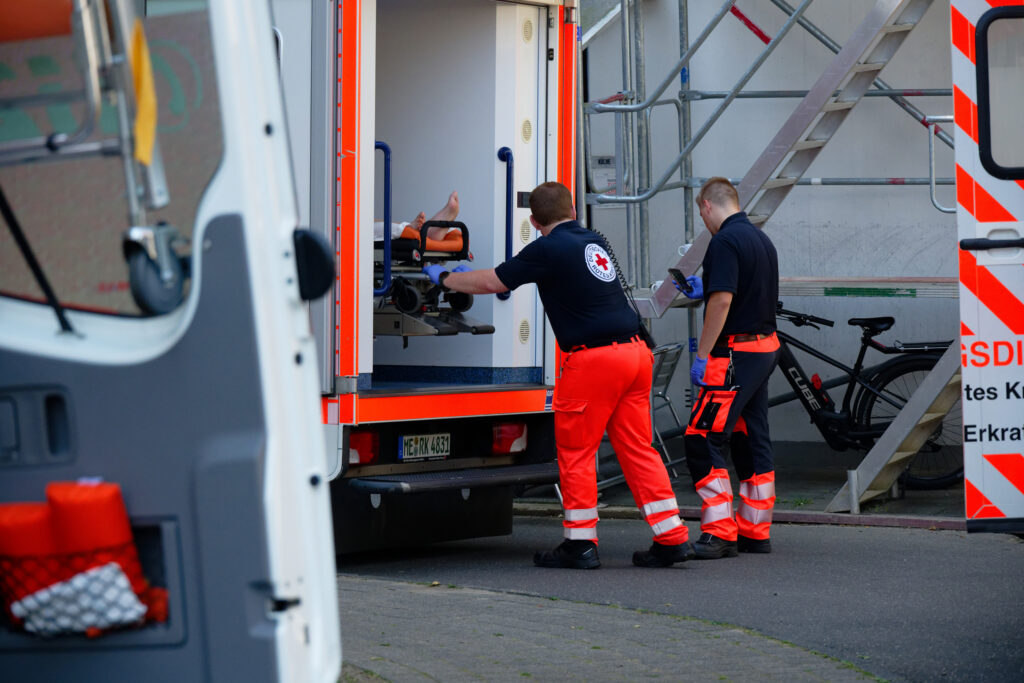
Germany's healthcare system, ranked among the world's strongest, proved unprepared for the magnitude and duration of heat exposure. Hospitals reported patient overloads during peak heat days. Ambulance response times extended as call volumes surged. Emergency departments lacked specific protocols for mass heat casualties. Staff shortages limited surge capacity across nursing homes and care facilities where elderly residents concentrated.
The 16,000 fatality figure represents a sevenfold increase from Germany's historical heat death baseline. By comparison, Germany typically experiences 2,000 to 3,000 heat-related deaths annually during normal summers. The 2023 summer therefore shifted heat mortality into a different scale entirely.
Climate data confirms the underlying driver. European heat waves have intensified in frequency and duration over the past two decades. The World Meteorological Organization attributes these shifts directly to anthropogenic warming. High-pressure systems now settle over Europe with greater persistence, trapping heat and preventing cooling during nighttime hours. Nighttime minimum temperatures have risen faster than daytime maximums in many regions, preventing heat relief when outdoor temperatures drop.
At the 2026 Extreme Weather Congress held in Hamburg this month, German officials and climate scientists presented adaptation strategies aimed at preventing repeat disasters. Discussions centered on early warning systems, neighborhood cooling centers, mandatory heat protocols in hospitals, and enhanced surveillance of at-risk populations during extreme heat events.
However, experts acknowledge that adaptation alone cannot match the pace of climate change. Germany's heat adaptation plans assume future heat waves resembling past extremes. Current climate modeling suggests heat events will exceed these historical benchmarks within a decade. The gap between adaptation capacity and projected climate impacts continues widening.
Several German states announced plans to establish heat response taskforces and upgrade building cooling standards. Berlin committed to expanding urban green space to increase evaporative cooling. However, funding remained contested and timelines extended beyond 2030, far slower than the acceleration of heat events documented in recent years.
The 16,000 deaths underscore a fundamental challenge facing developed nations. Despite wealth, infrastructure, and healthcare resources, rapid climate change can overwhelm institutional capacity. Germany's experience demonstrates that even societies with robust systems face mortality spikes when heat extremes exceed historical design parameters.
Public health officials now frame heat waves as epidemics requiring pandemic-style response protocols. The question facing European governments centers on whether adaptation investments will deploy fast enough to match climate acceleration, or whether heat deaths will remain endemic across the continent.