A research study published in Frontiers in Ecology and Evolution found that climate change could substantially alter suitable breeding habitats for 16 species of birds of prey across the UK.
The researcher used computer models combining records of current bird locations with environmental data to project habitat suitability under future climate scenarios. Temperature and rainfall influence where birds of prey live, when they breed, and prey availability.
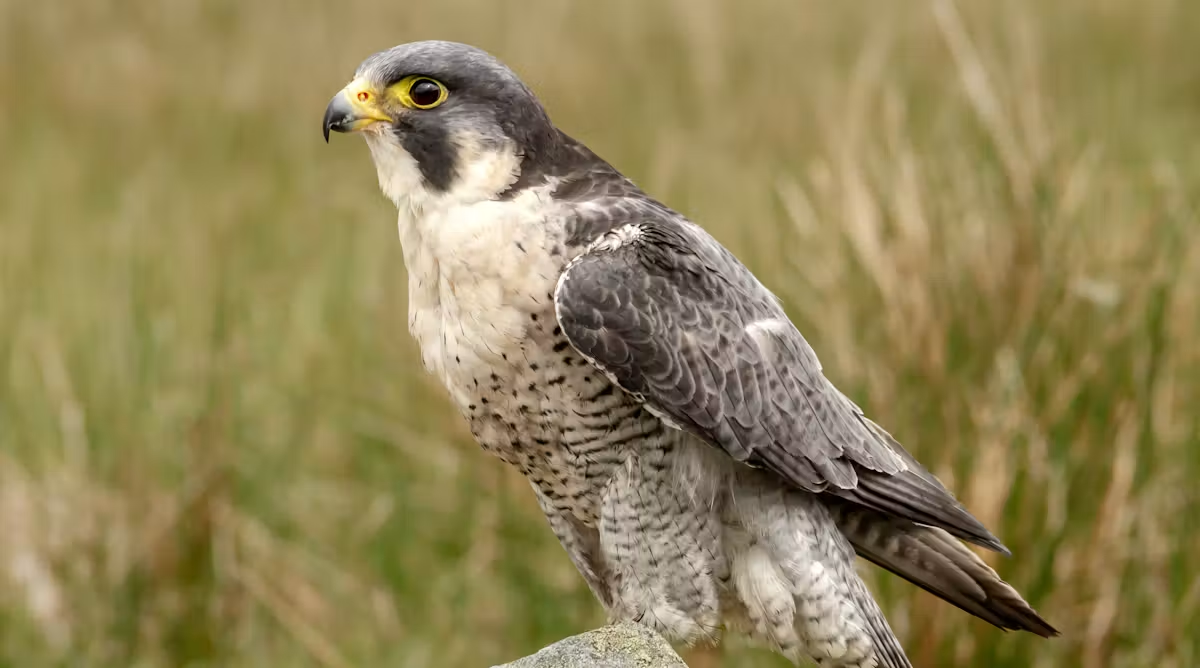
The models showed species-specific responses. The peregrine falcon could see an average increase of around 74% in suitable habitat by the 2070s under a high emissions scenario. However, the white-tailed eagle, short-eared owl, red kite, and merlin could all experience reductions in suitable habitat. The short-eared owl alone could experience a reduction of around two-thirds under the same scenario.
The researcher noted that the reliability of projections varied between species, meaning some projections, including those for the peregrine falcon, should be interpreted with caution.
Environmental suitability alone does not guarantee species movement. The researcher noted that peregrine falcons still require access to suitable nesting sites and sufficient prey to establish a breeding territory. Projected habitat reductions may not cause species to disappear if animals adapt to changing conditions in ways models cannot fully capture.
Climate change may also affect birds of prey indirectly through changes in prey abundance and distribution.
The researcher recommends identifying areas that could remain or become suitable for birds of prey to inform longer-term conservation planning. Existing threats including illegal shooting, poisoning, and collisions with buildings and vehicles continue to threaten these birds. The researcher also called for continued monitoring through citizen science platforms such as iNaturalist and BirdTrack to track how bird distributions respond to climate change.