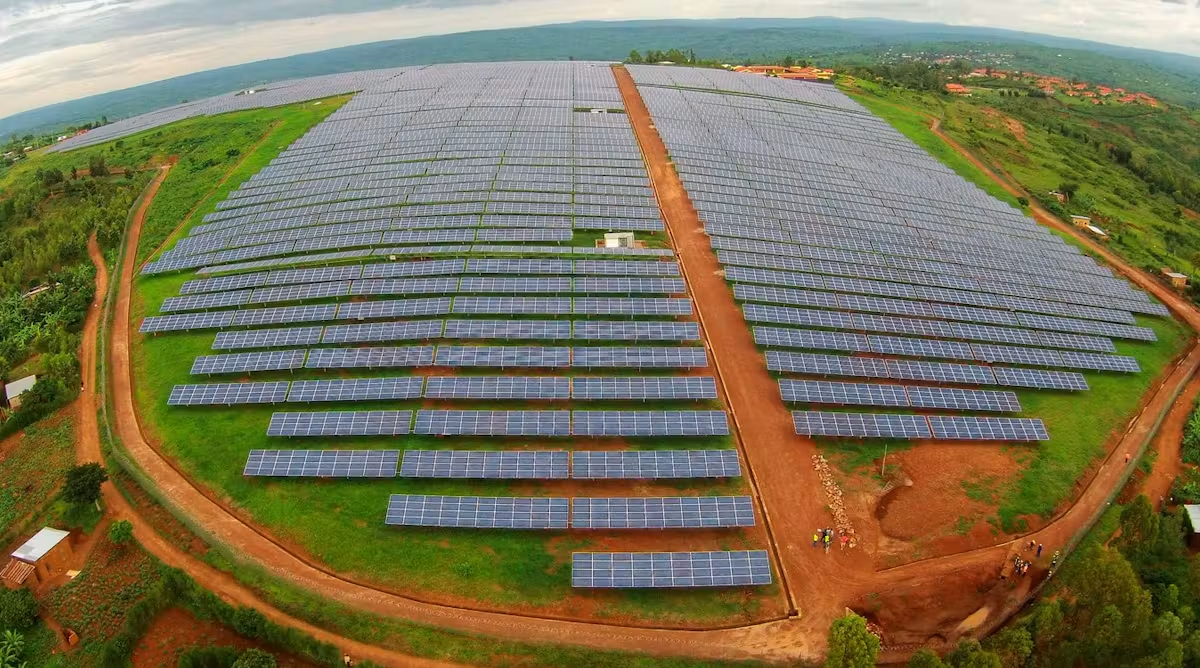
Rwanda expanded electricity access to 85% of its population by 2025, up from roughly 10% in the early 2000s, through 41 new power plants mostly powered by hydro and solar. Papua New Guinea, starting from a similar baseline, reached only 20% access over the same period, according to research analyzing both countries' energy policies.
A researcher who examined hundreds of government and company documents and interviewed 38 energy sector leaders identified two key differences. Rwanda's centralized state had greater bureaucratic capacity to design and implement energy policy. More importantly, Rwanda offered private power producers three layers of financial protection: fixed long-term prices in US dollars, currency risk protection for investors, and government guarantees to cover utility defaults. Papua New Guinea offered no such guarantees, leaving private investors exposed to currency risk and the risk that the utility would not pay them. One independent power producer CEO called Papua New Guinea's energy utility "basically insolvent" and said nonpayment was a "huge risk" for investors.
Rwanda's approach, however, now poses fiscal challenges. Long-term power purchase agreements lock the government into paying for 90% of electricity that cannot be sold due to oversupply. Rwanda now spends 2% to 4% of GDP annually to keep its energy utility solvent. The Rwandan franc has lost nearly 50% of its value against the US dollar in five years, forcing the state to absorb currency losses. Rwanda may face insufficient public funds for healthcare and education.
Papua New Guinea built a gas power plant in the 2010s using a different model: provincial governments and local landowners own it, a state-owned company operates it, and local funds financed it. This structure offers an alternative to Rwanda's approach.