# Energy Access Needs More Than Connections
The United Nations tracks energy access through two indicators: whether people have electricity and whether they use clean fuels. These measures miss whether that electricity is affordable, reliable, adequate, or useful for productive work.
A clinic cannot perform surgery during frequent power cuts. A farmer with an irrigation pump cannot raise income if crops lack market access. A small business gains little from electricity without financing for equipment.
The World Bank's Multi-Tier Framework measures electricity access beyond connections, including availability when needed, adequacy for equipment, reliability, and affordability. Some countries use it. Most rely on the U.N.'s official global indicators instead.
Uganda's Ministry of Health and WRI used the Energy Access Explorer mapping tool in 2023. The analysis found 675 health facilities serving over 3 million people had no electricity, yet all were in areas with significant solar potential.
Ethiopia's 2025 national survey showed 65% of households had access to at least one electricity source. Only 44% of the population received basic service, defined as at least four hours a day for lighting and charging.
In Jharkhand, India, villages with grid connections lacked capacity for businesses. Single-phase electricity could not power mills and oil presses. Mlinda Charitable Trust installed solar mini-grids supplying three-phase electricity starting in 2015, allowing local enterprises to operate.
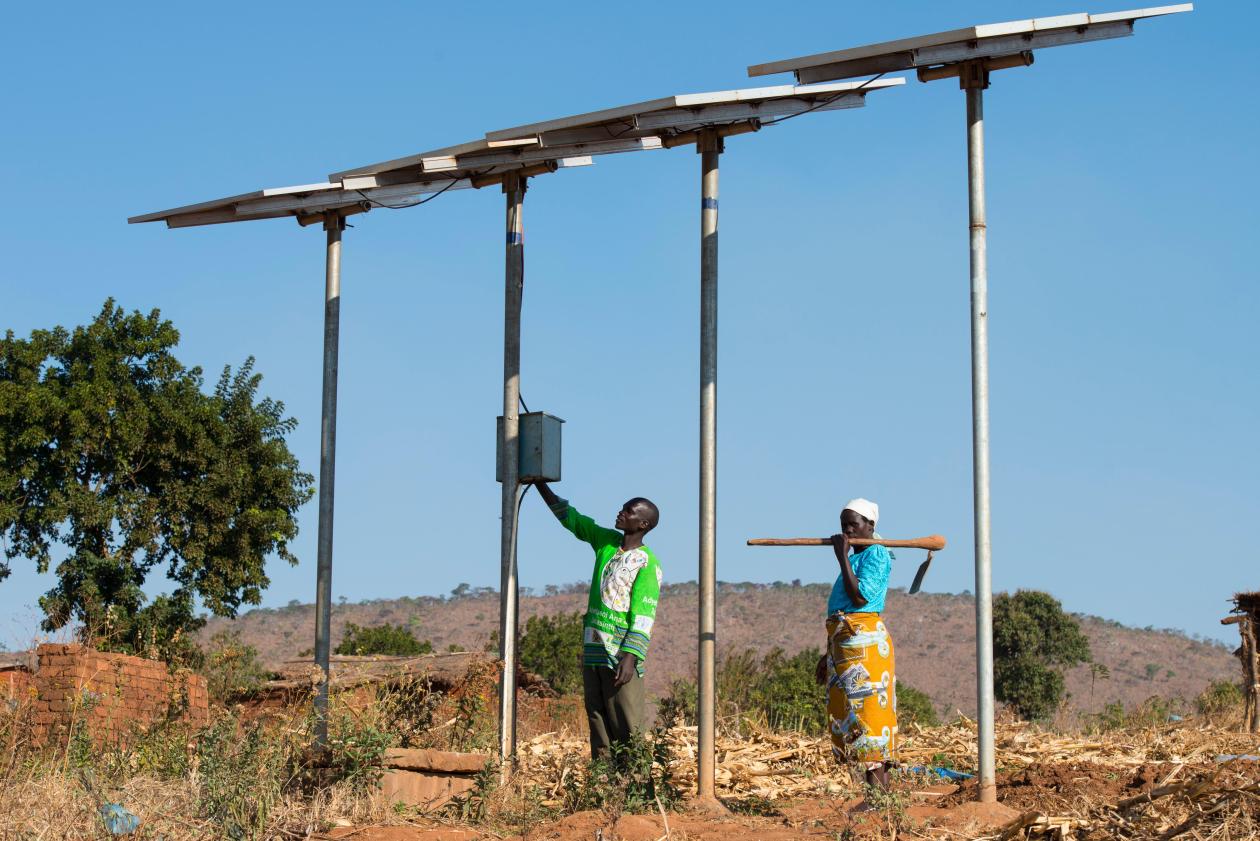
In Ethiopia's Berbere district, farmers switched from petrol pumps costing $91 to $203 per hectare yearly to solar-powered systems costing under $10 annually for maintenance. The $19,200 upfront cost for two pumps exceeded most farmers' ability to pay.
Two health facilities in Jharkhand experienced power cuts of three to 12 hours daily, worsening during monsoon season. After solar photovoltaic systems and larger batteries were installed in 2017, facilities maintained operations during outages.
Governments should track reliability through outage frequency and duration, pair access measures with indicators of development outcomes like whether schools and clinics function as intended and whether businesses grow revenues and employment.