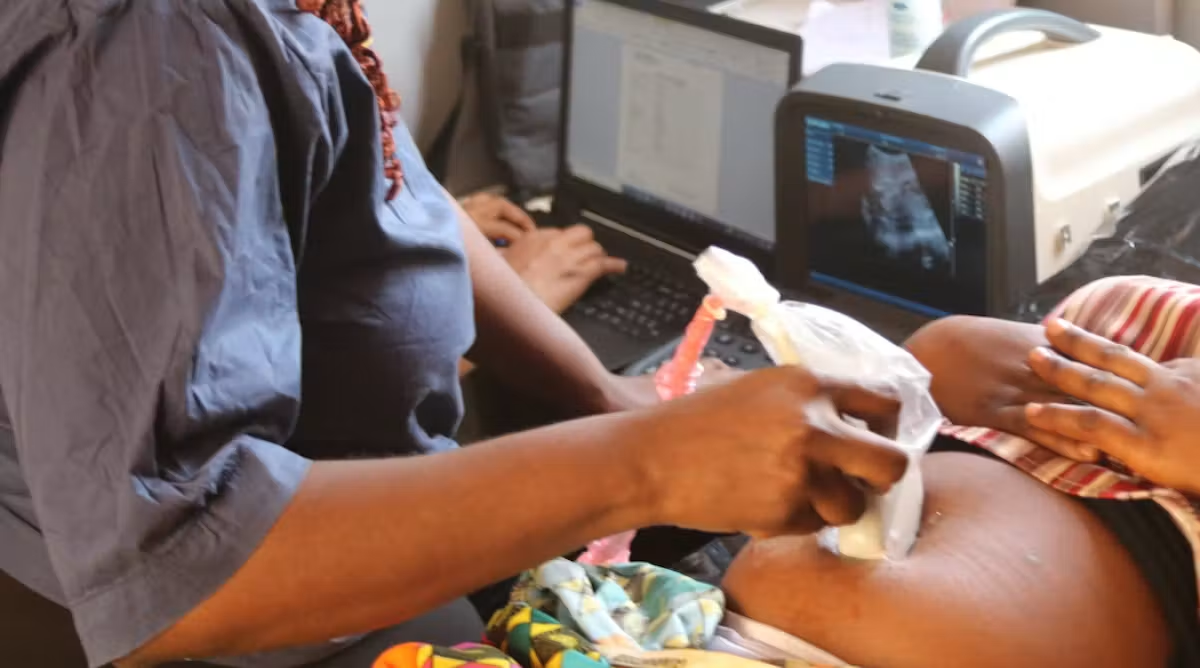
A survey of 246 mothers at a public hospital in Rwanda's capital, Kigali, found that seven in 10 women reported experiencing at least one form of disrespect during labour or childbirth. The research, conducted by nurse-midwife educator and researcher Alice Muhayimana and colleagues, defined disrespect to include not being told what was happening during labour.
The most frequently reported experiences were abandonment, reported by 77 respondents, and undignified care, reported by 76 respondents. Sixty-five respondents were not provided information on the care they received. A smaller number reported more serious forms of abuse, including being beaten, pinched or kicked, having episiotomy repairs without anaesthesia, or undergoing procedures without consent.
The findings represent experiences at one hospital only. However, Muhayimana notes that negative childbirth experiences can discourage women from seeking professional care in the future, potentially increasing maternal and newborn deaths.
Muhayimana worked as a consultant with the Rwanda Biomedical Centre in 2026 to revise national obstetric and neonatal care guidelines. The revised guidelines formally integrate respectful maternity care, define its principles, provide practical guidance, and identify unacceptable forms of disrespect and abuse during childbirth.
The World Health Organization recognises eliminating disrespect and abuse during childbirth as a global health priority because it protects women's rights, improves safety and quality of care, encourages use of health facilities, and builds trust between women and healthcare workers.
Muhayimana recommends that hospitals strengthen systems for receiving and responding to complaints through surveys or suggestion boxes. Healthcare workers need training in clear communication, involving women in care decisions, protecting privacy, and understanding how their words and actions affect vulnerable patients. Lasting improvements require better working conditions for healthcare workers, stronger leadership and accountability, community involvement, and efforts to remove barriers within health facilities.