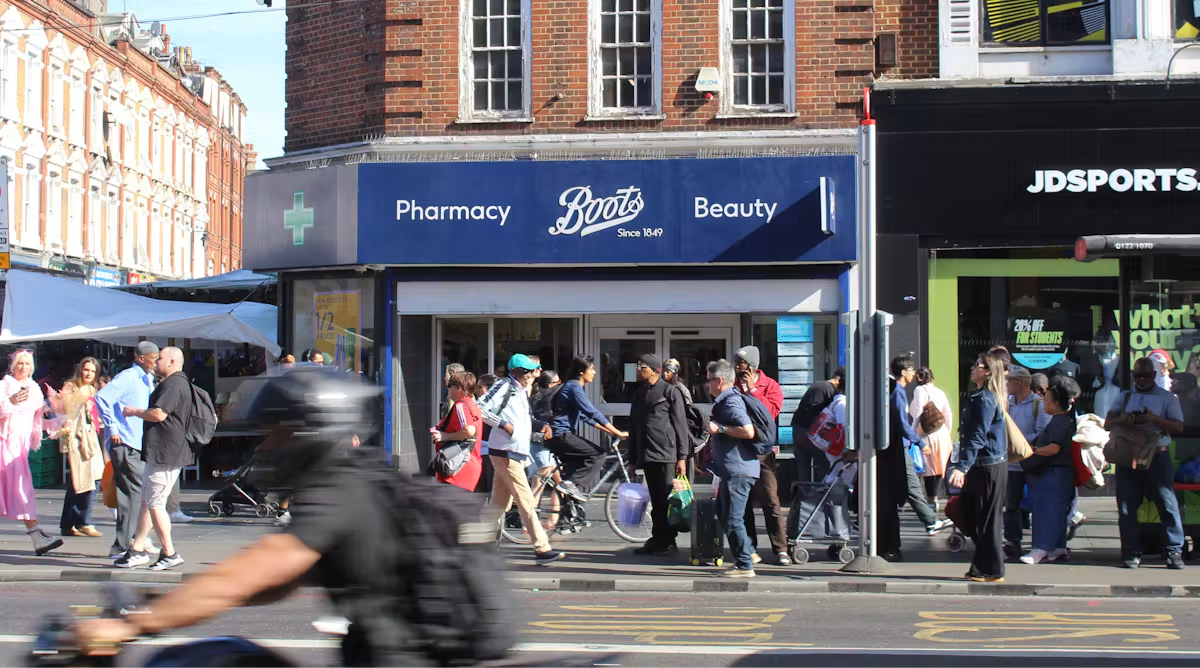
Medical cannabis has been legal for prescription in the UK since 2018, but remains largely unavailable through the NHS. In November 2026, Boots launched its SureLeaf clinic, a private service offering assessments to adults aged 25 and over with conditions including generalised anxiety disorder, insomnia, chronic pain, fibromyalgia, arthritis, cancer-related pain and endometriosis. Patients must have tried conventional treatments first.
The legal change eight years ago allowed specialist doctors to prescribe cannabis-based products containing cannabidiol (CBD) and tetrahydrocannabinol (THC). THC produces psychoactive effects, while CBD does not cause a "high". However, prescribing remains restricted. For most unlicensed products, only specialist doctors can issue first prescriptions, though GPs and pharmacist prescribers can manage repeat doses. NHS guidance from the National Institute for Health and Care Excellence recommends these medicines only for specific conditions.
Private prescriptions have expanded rapidly, rising from about 350,000 in 2023-24 to more than 830,000 in 2024-25. The NHS issued just 70 CBD prescriptions in 2025.
Evidence for efficacy varies by condition and product. For severe treatment-resistant epilepsy, purified CBD showed about 20% fewer seizures monthly than placebo in clinical trials, supporting approval of Epidyolex. Nabiximols (Sativex), a mouth spray containing THC and CBD, has evidence for reducing muscle stiffness in multiple sclerosis patients.
For chronic pain, one of the most common reasons patients seek medical cannabis, evidence is weaker. A large review of chronic neuropathic pain concluded these medicines do not provide substantial relief for most people. For anxiety and insomnia, small studies suggest possible benefits, but recent reviews found little evidence of improved sleep quality or duration.
Side-effects include dizziness, drowsiness, vomiting, impaired concentration and mood changes. Products with THC can cause intoxication and dependence. CBD interacts with other medicines including antiseizure drugs, blood thinners and antidepressants. The Boots clinic remains private, with patients paying for consultations and prescriptions. Its launch does not change NHS clinical guidance or guarantee wider NHS access.