A coalition of environmental advocacy groups filed a petition Monday asking the EPA to lower the federal nitrate drinking water standard from 10 milligrams per liter to 1 mg/liter. The groups, led by the Natural Resources Defense Council, Union of Concerned Scientists, and Prairie Rivers Network, argue that nitrates in drinking water are causing a public health crisis.
According to Tyler Lobdell, senior staff attorney at Food & Water Watch, one in three Americans, nearly 120 million people, are currently served water with nitrate concentrations above 1 mg/L. Research has linked nitrate exposure to cancer, thyroid disease, and fetal abnormalities. A 2019 study estimated that up to 12,594 new cancer cases each year are attributable to nitrate in drinking water.
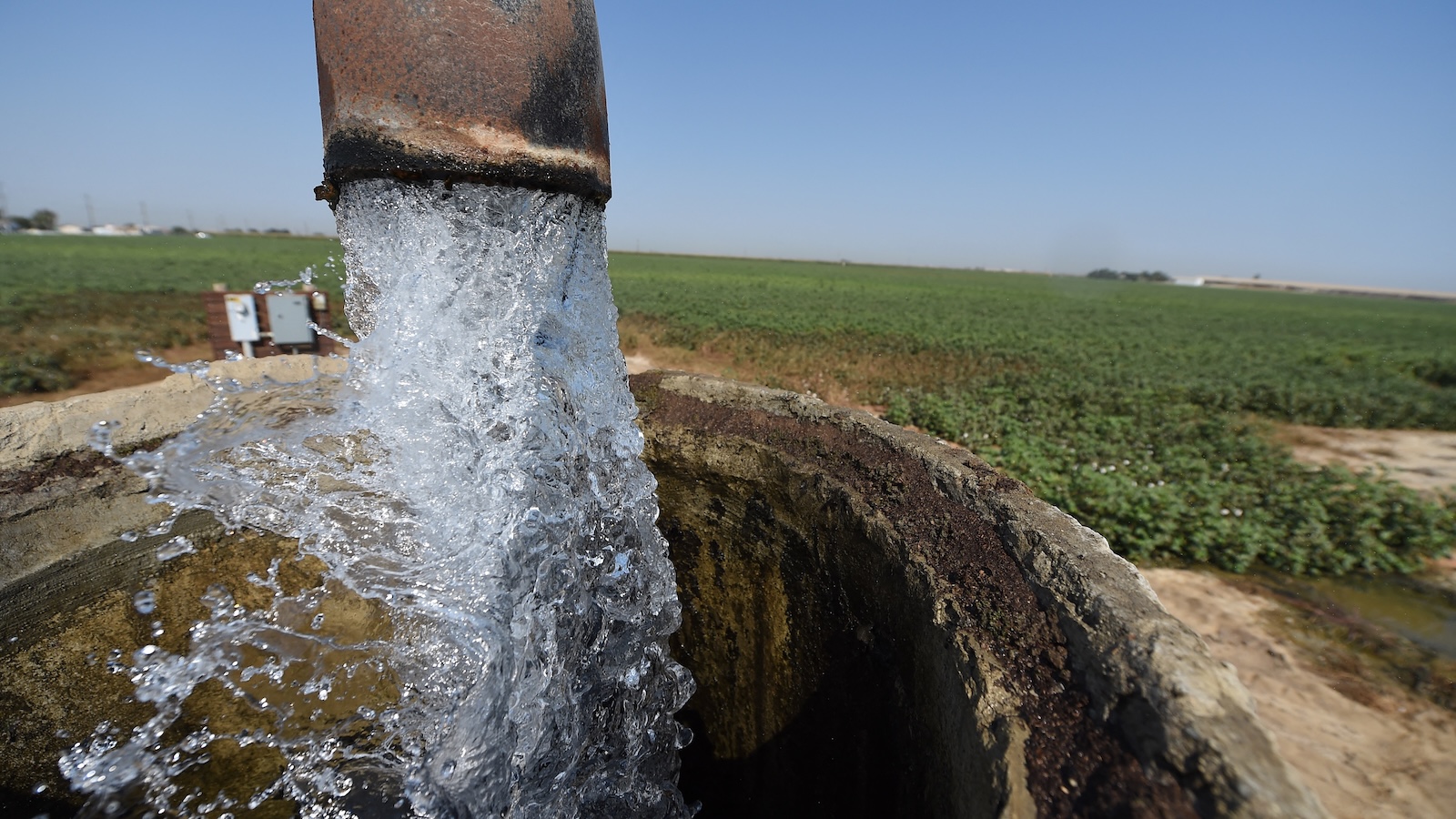
Nitrate pollution stems largely from fertilizer and manure runoff from agriculture. The contamination disproportionately affects rural, low-income, Latino, and farmworker communities in farming regions. Climate change can worsen contamination through intense rainfall and flooding that wash fertilizer into waterways, or through drought that concentrates pollutants.
The current standard dates to 1975 and was formally adopted in 1991, based primarily on preventing blue baby syndrome. The EPA completed its latest review of drinking water regulations in July 2024 and determined that the nitrate rule was not a candidate for revision.
A consulting analysis commissioned by the coalition estimated that adopting the 1 mg/L standard would cost $94.5 billion over 50 years but generate $364 billion in benefits. States with the largest affected populations include California, Texas, Arizona, and Iowa, where approximately 42 percent of residents are exposed to nitrate levels above 1 mg/L.
The petition asks the EPA to adopt an interim benchmark while considering the new limit and to enforce other federal protections like the Clean Water Act.