On August 8, 2023, wildfires killed at least 102 people in Maui, displaced nearly 13,000 residents, and destroyed more than 2,200 buildings. Three years later, only 15 percent have been rebuilt.
Ruben Juarez, an economist, and Alika Maunakea, a biomedical scientist, both professors at the University of Hawaiʻi, created the Maui Wildfire Exposure Study (MauiWES) to track health impacts on survivors. The study now includes 2,500 participants and has expanded beyond research to provide therapy, food assistance, cash support, and help connecting survivors with doctors and insurance.
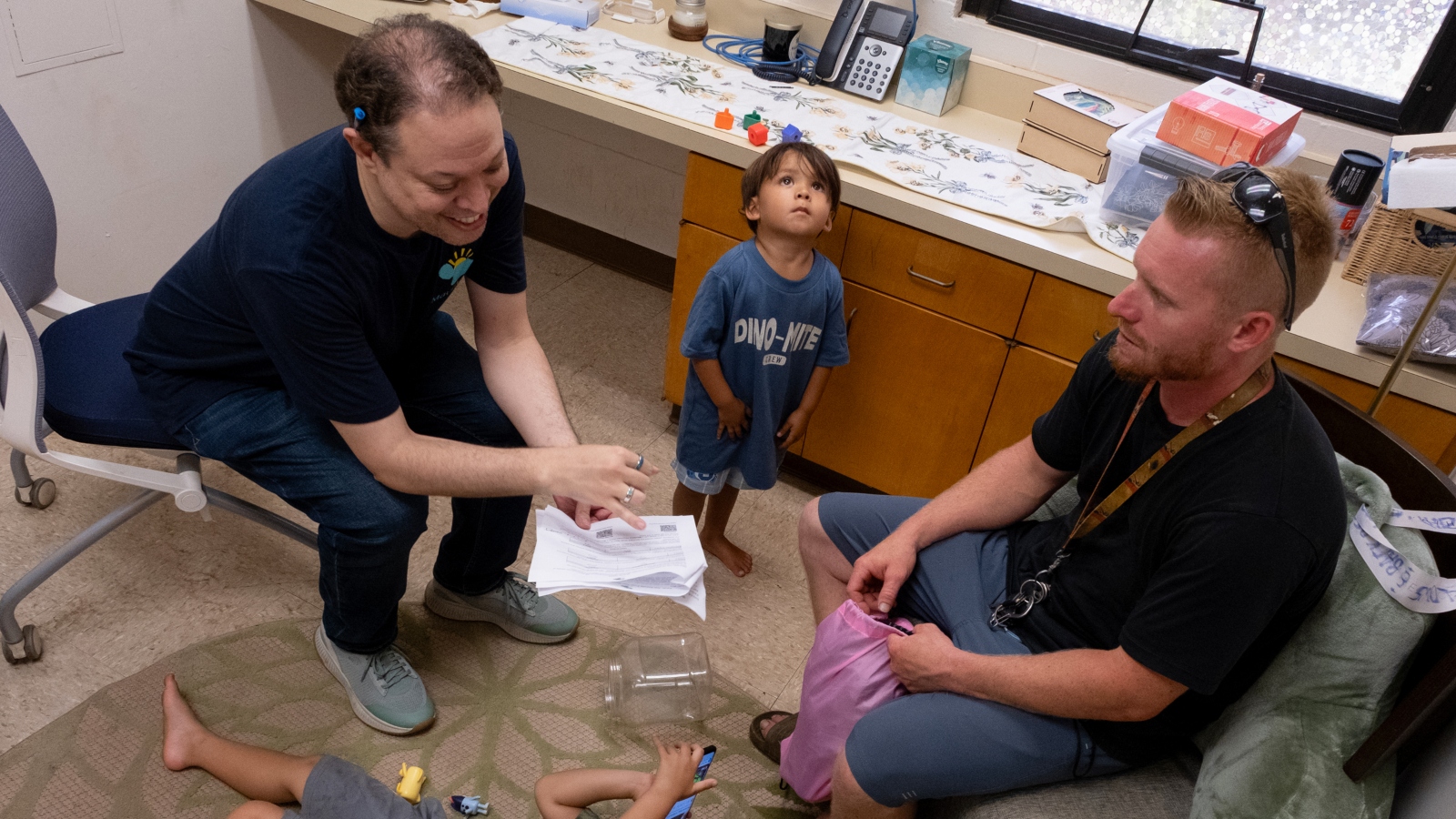
The study conducts annual health assessments that include urine samples, blood tests, lung function tests, mental health screenings, and stress biomarkers. Participants receive $100 compensation and meet with volunteer physicians to understand their results.
David Eisenman, a disaster researcher at UCLA, called the study's holistic approach "singular." Experts across the country are watching the effort as a potential national blueprint for public health response after disasters.
However, federal grant applications have received no response for months, and state funding the researchers were counting on fell through two weeks before their May testing event. Juarez and Maunakea said they would find a way to continue the study, which they hope to sustain for at least a decade. The May event represented what might be their last major data collection without secured funding.
Nilsson Panis, a fire survivor who spent 12-hour days for seven days a week clearing debris in the burn zone wearing full-body gear, participated in the study. His sister Lisa, also a survivor, enrolled alongside him. Both have experienced housing instability and health struggles since the fires.