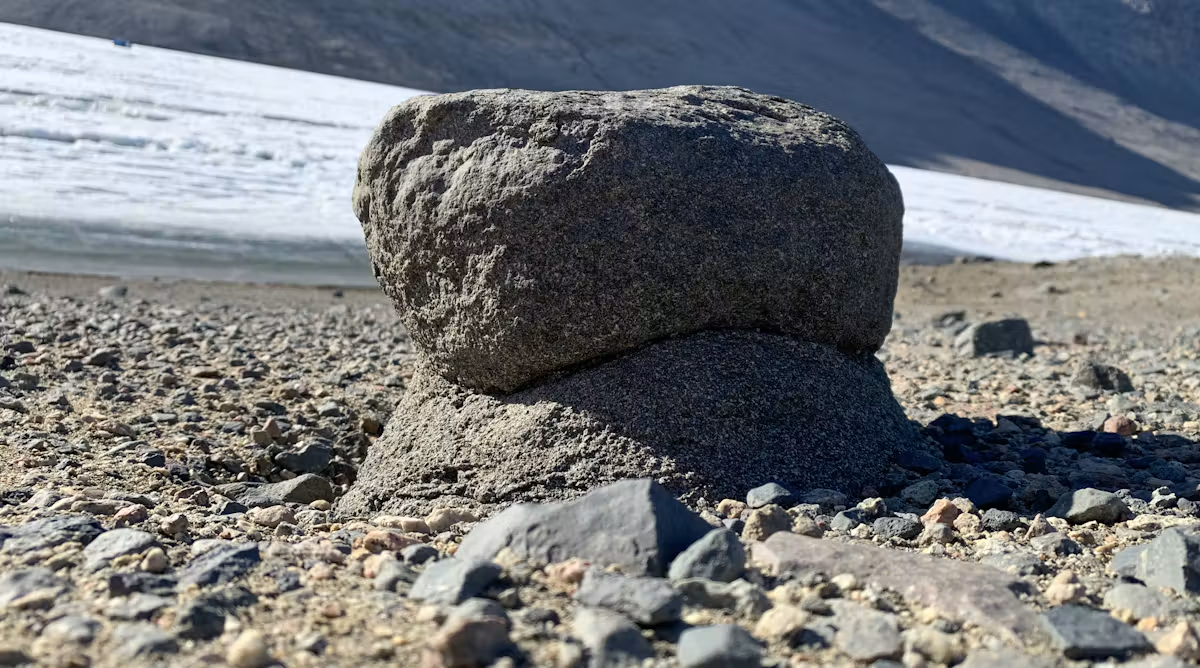
A new study found that footprints and field equipment in Antarctica's ice-free McMurdo Dry Valleys transfer microbial communities between sites, potentially disrupting rare ecosystems.
Researchers from the University of Waikato compared microbial species in local soil with those found on swabbed footwear, helicopter skids, and field equipment. In one analysis, 73% of swabbed footwear harboured DNA from microbes detected at upstream locations during a single day of operational movements.
The Dry Valleys host unique microbial communities and tiny invertebrates like nematodes, tardigrades, and rotifers that survive in thin water films around sand grains. Within the Dry Valleys, microbial communities are so localised that each valley has a distinct microbial signature.
Current decontamination protocols prioritise preventing non-native species from reaching Antarctica. But the study focused on intra-continental transfer, when locally adapted endemic species spread beyond their usual ranges. The researchers found that cleaning and disinfection of field equipment changed microbial communities present on gear but did not completely eliminate transfer of microbial taxa between equipment and local soils.
The study has not yet determined the ecological impact of these findings. The researchers recommend strengthening contamination protocols to disinfect boots and field gear when more than one site is visited and increasing biosecurity monitoring for microbes and other easily dispersed species.