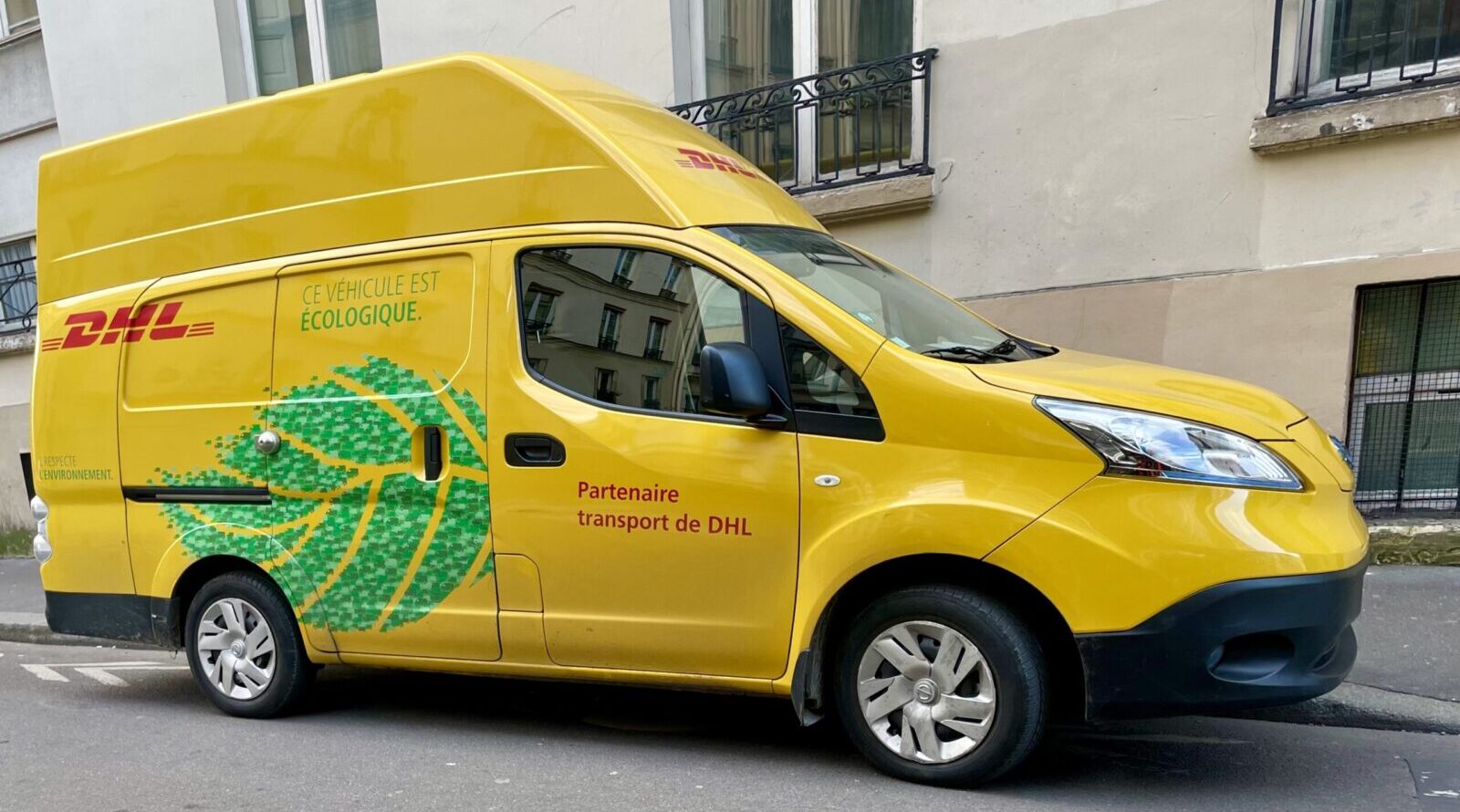
Diesel fuel prices have surged nearly 80 percent between January and October, driving up costs for holiday gifts and other goods throughout the US economy. In September alone, diesel topped $9 per gallon at some retail stations. These price spikes affect consumers indirectly through embedded fuel costs in supply chains, even when no fuel surcharge appears on receipts.
Battery-electric trucks offer an alternative that shields freight operators from fuel volatility. Between January 2016 and September 2026, diesel price volatility averaged 3.75 times that of commercial electricity prices, according to analysis of Federal Reserve and Energy Information Administration data. From January to September 2026, diesel prices rose 80 percent while commercial electricity rates increased just 2 percent. Diesel prices spiked more than 10 percent seven times in that span, including a 32 percent jump between February and March 2026. Commercial electricity's highest spike in a decade was 4.4 percent.
Battery-electric trucks also reduce per-mile fuel costs significantly compared to diesel trucks and provide greater cost predictability for freight operators.
The health toll of diesel-powered freight is substantial. Medium- and heavy-duty fossil-fueled trucks are the nation's largest source of smog-forming pollution and account for the largest share of nearly 10,000 premature deaths linked to transportation pollution annually, despite representing just 13 percent of vehicles on roads. The 1.7 million people living near 10 or more freight facilities face a cancer risk from air toxics 32 percent higher than the national average, according to recent research from the Union of Concerned Scientists.
Adoption of zero-emission commercial vehicles is accelerating. FedEx announced plans to add 2,000 electric delivery trucks to its fleet. In 2025, over 17 percent of new commercial vans in Mississippi and Louisiana were zero-emission vehicles. Georgia registered nearly 35 percent of new commercial vans as electric. California accounted for over 24 percent of new zero-emission medium-and-heavy-duty vehicle registrations in 2025, with zero-emission tractor trucks comprising around 8 percent of new registrations. In the first three quarters of 2026, California fleets applied for state clean truck incentives for more than 1,000 new electric tractor trucks. In September, a group including Microsoft and Pepsi placed a combined order for 2,500 battery-electric Tesla Semis, described as the largest single order of zero-emission trucks in US history.