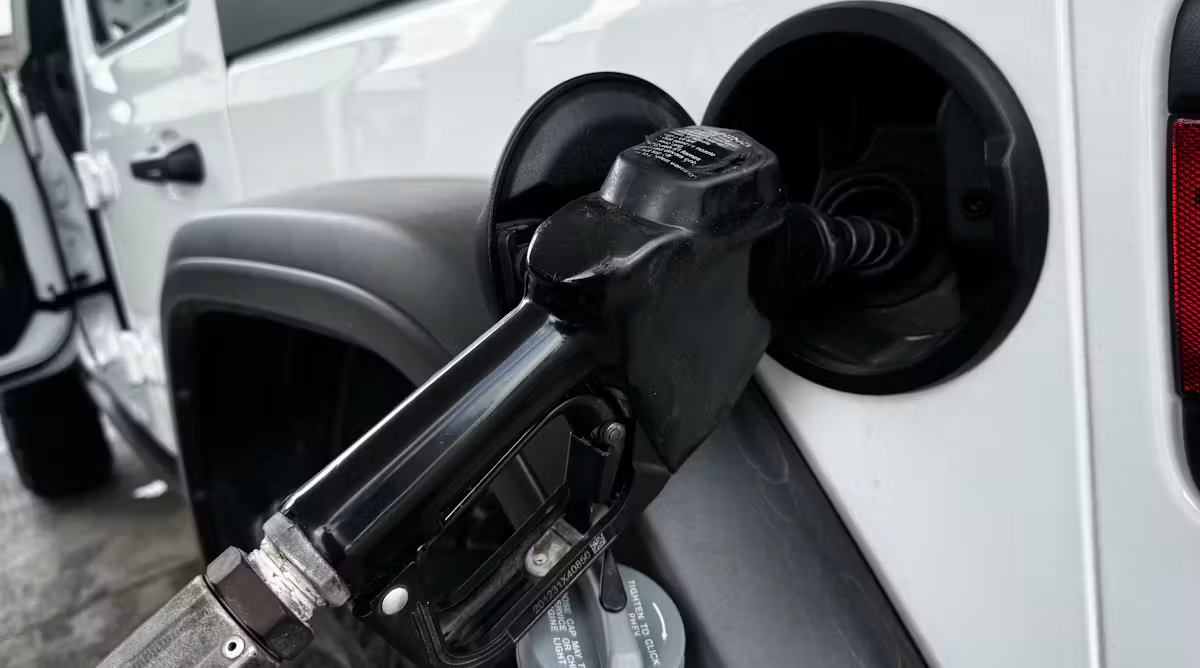
The Trump administration's rollback of fuel-efficiency standards will cost American car buyers money, not save it, according to research published in Science.
The administration claimed that cheaper production costs for less-efficient vehicles would offset fuel expenses over a car's lifetime. However, the analysis found this reasoning rests on flawed assumptions about consumer preferences and future gas prices.
A 2026 Toyota Corolla hybrid costs $1,800 more upfront than a gas model but saves $550 annually in fuel at $4 per gallon. The hybrid breaks even in about three years. A Honda Accord hybrid takes roughly eight years to break even. Since the average car lasts nearly 13 years, buyers recoup the higher purchase price and save money for a decade afterward.
The EPA assumed consumers would lose 75 to 79 percent of fuel savings due to dislike of fuel-saving technologies like stop-start ignition or EV charging inconvenience. The researchers reviewed vehicle preference studies and found consumers would accept only 17 to 31 percent of those costs. This means buyers pay lower upfront prices but spend far more on gasoline than they save on the sticker price.
The EPA also projected gasoline would never exceed $3.50 per gallon, well below current prices. The analysis did not account for environmental costs from greenhouse gas emissions.
The policy creates additional uncertainty for automakers. The Obama administration tightened standards; the first Trump administration reversed them; the Biden administration reinstated and strengthened them. The second Trump administration is reversing them again. In 2025, when Trump ended federal EV tax credits, automakers reduced EV production. With fuel-efficiency standards weakened, manufacturers shifted investment toward gasoline models.
All-electric vehicles represent about 7 percent of new U.S. car sales in September 2026, compared to 40 percent in China.