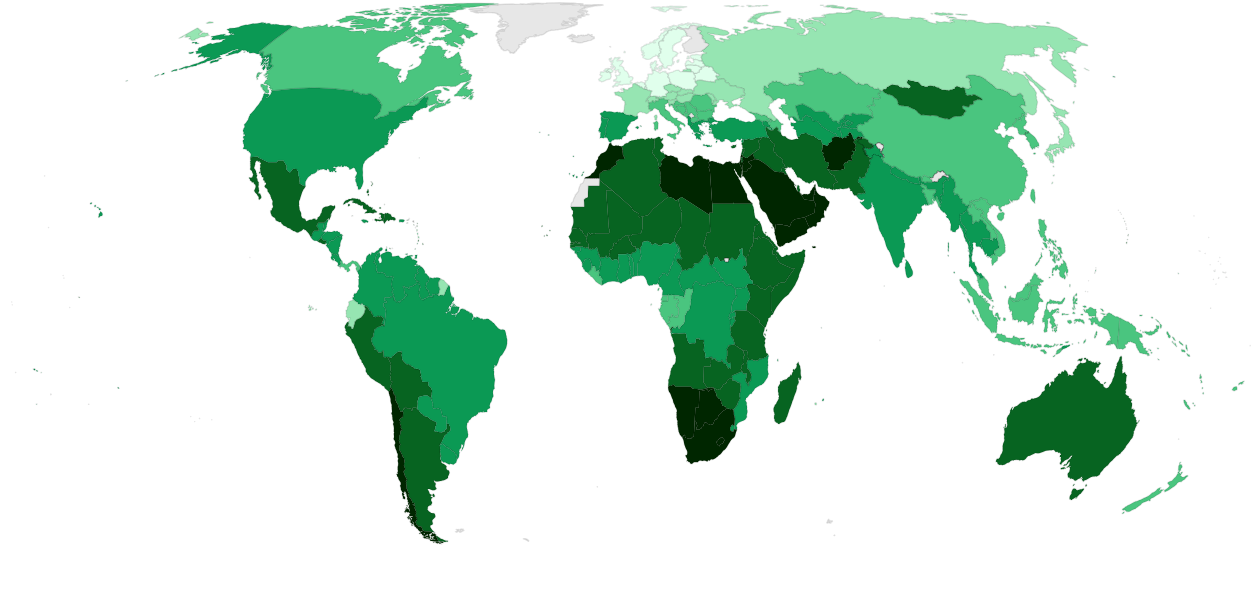
Diesel fuel costs rose 33% from 2025 to 2026, with Africa averaging a 25% increase across 42 countries between mid-January and mid-June 2026. Nigeria saw prices jump 86% during that period, while Tanzania and Ethiopia each experienced increases above 50%.
Rural farmers, processors, and small businesses across Africa depend heavily on diesel for irrigation pumps, generators, mills, and refrigerators. An Energy for Growth Hub study found that Africa operated 150 to 190 gigawatts of distributed diesel generator capacity in 2024, compared with 268 gigawatts of grid-connected capacity. Removing South Africa, sub-Saharan Africa had nearly 1.5 times as much diesel generator capacity as grid-connected capacity, and diesel capacity exceeded grid capacity in at least 26 African countries.
Solar-powered alternatives have already delivered measurable results. In Chamwino, Tanzania, mango farmers who switched from diesel to solar-powered irrigation in 2021 reported that production and average income from mango sales roughly doubled within one season. In Ethiopia's Berbere woreda, households using solar-powered water pumps earned an average $709 from onion cultivation in the first production season, compared with around $207 annually from rain-fed maize and teff before the pumps were installed.
The ripple effects of diesel price spikes extend beyond fuel. Fertilizer prices increased by 30 to 45% in several African markets since the Iran conflict began. A women's groundnut processing cooperative in Nigeria reported that rising fuel and fertilizer costs increased the price of raw groundnuts and groundnut oil by 33%. In Myanmar, which imports more than 90% of its fuel, higher diesel prices increased food and agricultural input costs, leading to rising rice prices for consumers.
Africa is installing 17 gigawatts of solar capacity in 2026, a 45% increase from 2025, equivalent to approximately 100,000 panels installed each day. Roughly three-quarters of Africa's solar growth between 2023 and 2025 came from distributed systems as households and businesses sought alternatives to unreliable supply and diesel generation.
The World Resources Institute's Energy Access Explorer platform maps solar potential alongside grid networks, health facilities, schools, and farming communities. Analysis reveals that about 12.6 million people in Ethiopia live in areas with high agricultural activity and high solar potential but little access to grid-connected electricity. A Uganda analysis identified 243 health facilities and approximately 4.6 million people in areas with limited or no electricity connection, yet abundant sunlight suitable for solar power.