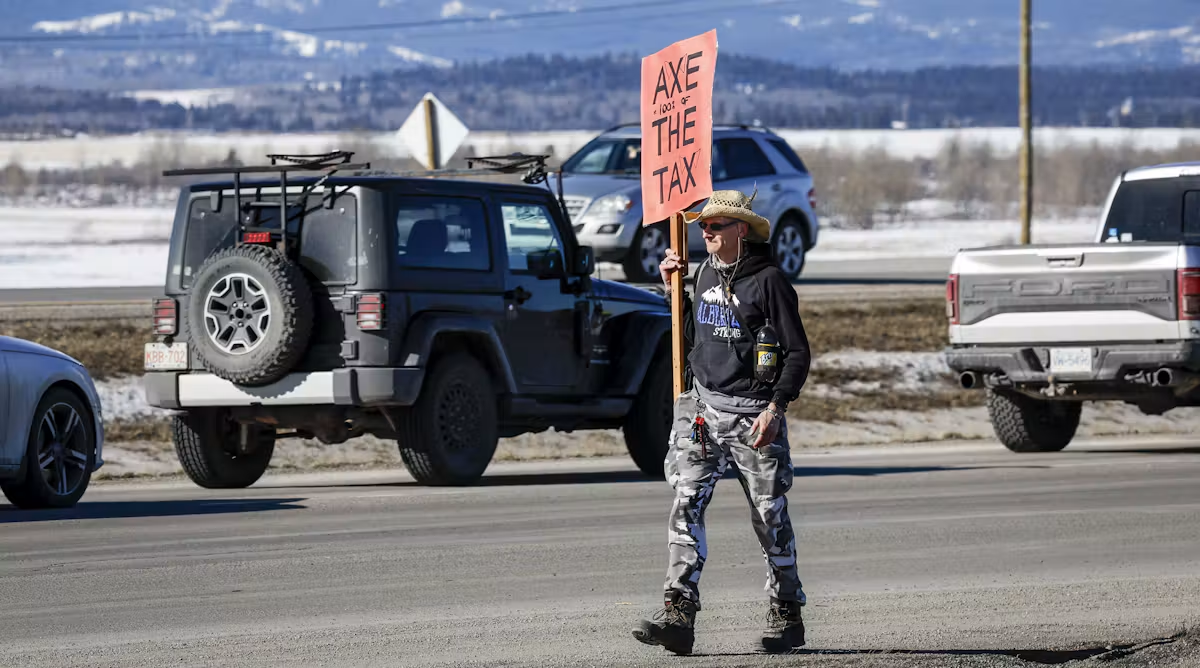
Canada's federal consumer carbon tax was repealed in 2025. Research published in the journal Climatic Change found that perceptions of the tax's cost, rather than actual costs, drove opposition to the policy.
Researchers surveyed 1,000 Canadians across five provinces in 2022 about their fuel consumption and beliefs about carbon-tax payments. Conservative voters estimated the tax was costing them roughly $5,000 per year more than Liberal voters with similar fuel consumption and therefore similar actual tax costs. People's beliefs about carbon-tax costs were strongly predicted by which political party they voted for in the previous federal election, not by their actual fossil fuel use.
When respondents saw a mockup of their household rebate form and realized their rebates were higher than they thought, Conservative voters were more likely to report they were paying more in carbon taxes than getting back. Researchers found that accurate information did not shift opposition in a hyper-partisan environment.
Conservative politicians made selective statements that ignored rebates or focused on the carbon tax during rising consumer costs, even though its contribution to inflation was minimal. These messages were amplified through memes shared on social media by right-of-centre allies. A growing partisan divide and decline of shared news sources facilitated the spread of misinformation.
Conservative party support rose in tandem with carbon-tax opposition after 2022. The Liberal Party abandoned the policy ahead of the 2025 election.