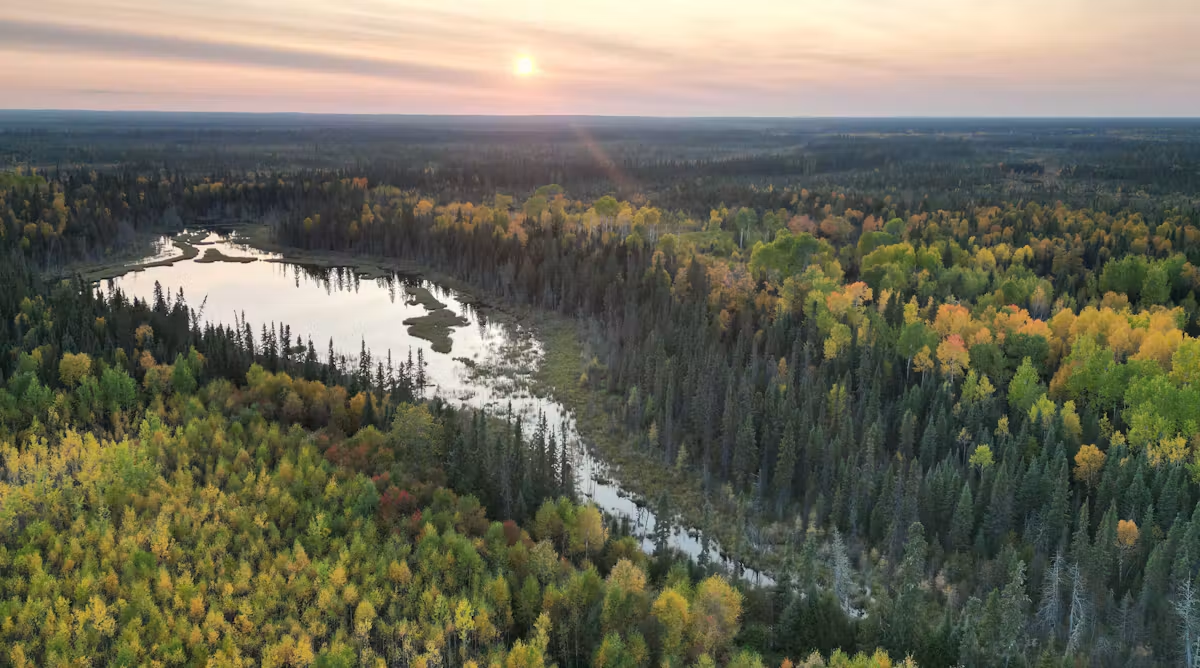
Canada has conserved only 14 percent of its land and freshwater and 15 percent of its oceans by the end of 2025, missing its interim target of 25 percent by 2025, according to a 2025 federal environment commissioner audit. A companion audit reached the same conclusion for oceans.
An early review of the first 36 national plans submitted under the Kunming-Montréal Global Biodiversity Framework found that none fully met two targets: to restore 30 percent of degraded ecosystems and to conserve 30 percent of lands and waters by 2030.
Researchers interviewed 84 senior environmental professionals across Canadian federal, provincial and territorial governments and environmental non-profit organizations. They studied how environmental evidence informs policy and what enables or hinders knowledge co-production among partners.
The interviews identified trust, respect and recognition as the most frequently mentioned themes associated with successful knowledge co-production and evidence-based conservation, followed by funding and resources. Interviewees said that involving decision-makers and knowledge holders early in research, being transparent about how evidence is produced, and jointly defining research questions helped evidence reach use faster.
The professionals most often said they were not using Indigenous knowledge, though many wanted to. Many lacked the know-how, capacity or time to do so. Others noted that mandates to include Indigenous knowledge often came without practical guidance.
The Canadian government is pursuing infrastructure and resource development with plans to fast-track approvals for major projects. It has also made significant cuts to public science and faced criticism over cuts to public engagement and consultation.
Short timelines already keep harder-to-access forms of evidence out of decisions, interviewees noted. Under tighter timelines, decision-makers may rely on what is most readily available: in-house science and familiar experts. This can sideline perspectives held by Indigenous rights-holders and local communities.
Knowledge co-production, where researchers collaborate with governments, Indigenous organizations, communities and other partners from the start to shape research questions and interpret evidence, offers one way to address this imbalance.