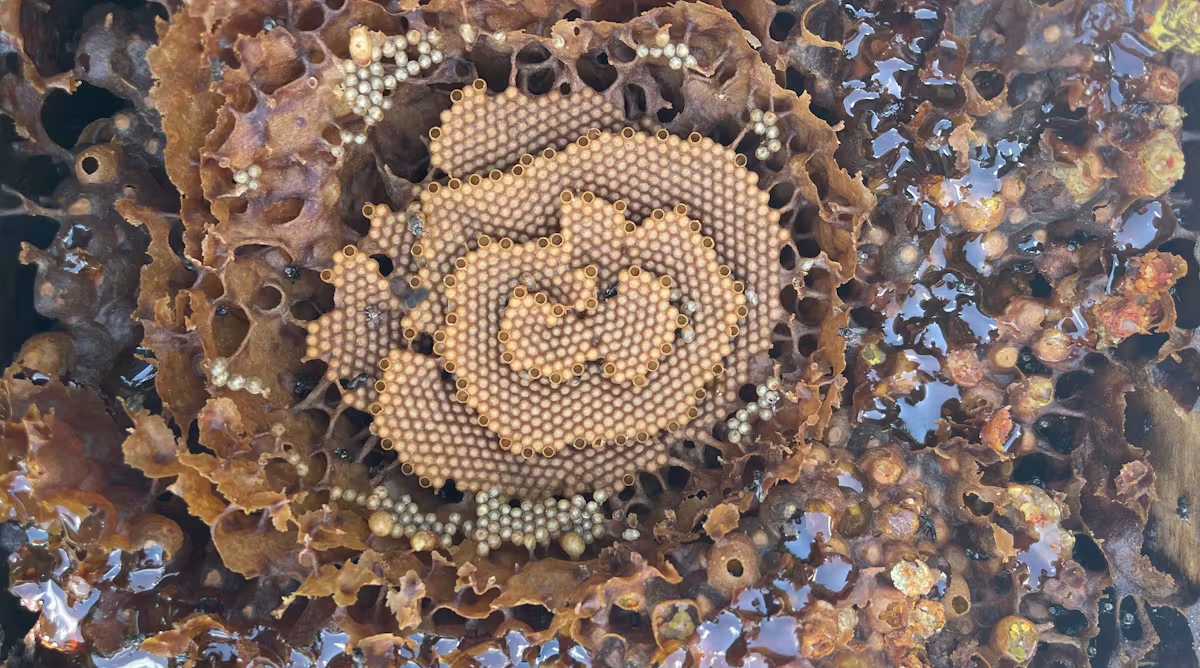
Australia's native stingless bee Tetragonula carbonaria produces honey and propolis with antimicrobial properties that could help fight drug-resistant infections, according to a study published in PLOS One.
Researchers tested honey and propolis from the small black bee, found along Australia's east coast from tropical Queensland to temperate New South Wales, against 16 types of bacteria and fungi that cause disease in people. The honey stopped every bacterium tested. The propolis proved selective but showed strong activity against certain fungi.
The honey's power comes from multiple sources. Most honey relies on hydrogen peroxide produced by bee enzymes, which lasts only hours in honeybee honey. Tetragonula carbonaria honey continues producing peroxide for up to a week. It retained antimicrobial activity even after heating destroyed the peroxide and after 18 years of refrigeration. This suggests additional compounds beyond peroxide provide protection. One possibility is phenolic plant compounds the bees forage on. Another is a different mix of proteins compared to honeybee honey that may attack microbes directly.
The honey killed golden staph, E. coli, and Pseudomonas, Klebsiella, and Acinetobacter bacteria, which cause hard-to-treat wound, lung, and bloodstream infections in hospitals. Even diluted more than tenfold, it stopped these pathogens. It also worked against ringworm and athlete's foot fungi.
Propolis extracts from eight nests stopped ringworm, athlete's foot, and Rhizopus mould at very low concentrations. They worked at roughly the concentration of a pinch of salt in a ten-litre bucket. But propolis showed no effect against some other fungi, a consistent pattern across samples. Researchers suggest stingless bees may produce selective defences to protect nests from harmful microbes without disrupting beneficial fungi they depend on.
Indigenous Australians have used Tetragonula carbonaria honey, called sugarbag, for thousands of years as food and medicine for itchy skin and sores.
Medical-grade honey already sees use in wound care, but native stingless bee honey requires further testing before routine medical use. Next steps include developing formulations, investigating storage, and testing safety and effectiveness for specific applications. The researchers note laboratory results do not yet demonstrate these products can treat infections in people. Supply presents another challenge, as stingless bee colonies produce relatively small amounts of honey.