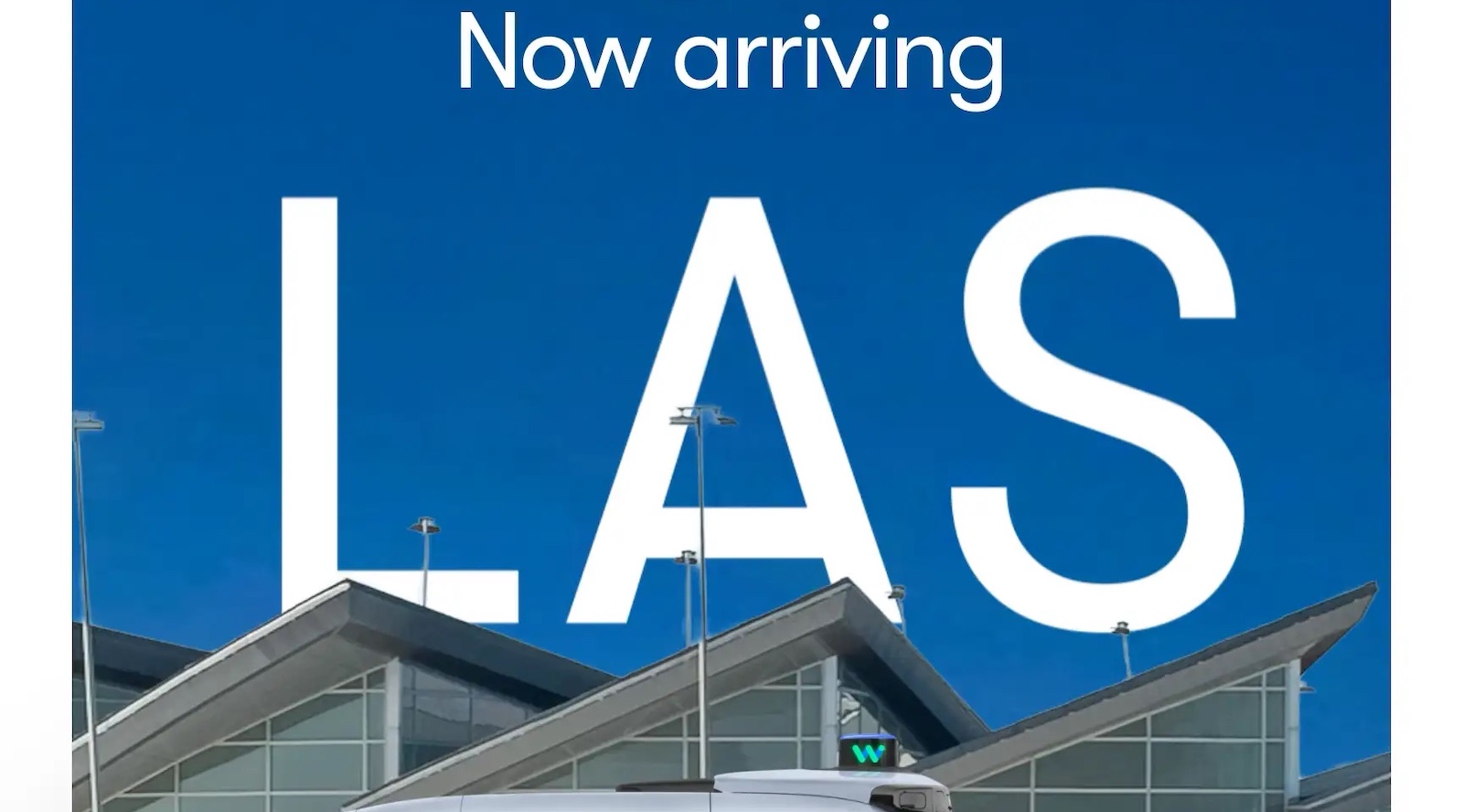
Waymo expanded its autonomous vehicle operations into Las Vegas airport transportation this week, launching pickup and dropoff service at Harry Reid International Airport (LAS). The rollout began with existing Waymo users in the Las Vegas area, with the company planning a gradual expansion before opening airport access to all riders.
The service operates from designated pickup and dropoff zones at the airport. Waymo uses this phased approach to manage traffic flow and ensure operational reliability during peak travel periods. The company has operated a commercial robotaxi service in Las Vegas since 2023, when it first launched autonomous rides without safety drivers. This airport expansion marks a scaling of that program into a major transportation hub.
Waymo's all-electric vehicle fleet produces zero tailpipe emissions, making airport integration aligned with the aviation industry's sustainability goals. Major airports worldwide face pressure to reduce ground transportation emissions as part of carbon-neutral operations targets. Las Vegas's move supports this trend, particularly as Harry Reid International handles over 40 million passengers annually.
The deployment requires coordination with airport authority operations, ground transportation management, and real-time traffic systems. Waymo vehicles must navigate complex airport layouts, passenger loading zones, and integration with traditional taxi and rideshare services already operating at LAS. The company's self-driving technology uses lidar, radar, and camera systems to operate in these high-traffic environments.
This expansion reflects broader adoption of autonomous vehicle technology in North American transportation infrastructure. Several airports have tested autonomous shuttles for terminal connections and parking operations, but commercial robotaxi service at a major hub represents escalation in autonomous vehicle deployment. Denver International Airport previously partnered with autonomous shuttle operators, while San Francisco International Airport integrated autonomous vehicles into ground transportation in limited capacity.
Waymo's Las Vegas operations have logged over 1 million autonomous miles since launch, providing operational data for scaling airport service. The company operates without human safety operators in customer vehicles, a distinction that separates it from competing services like Cruise or Alphabet's other autonomous initiatives. This operational maturity supports expansion into complex transportation environments like airport hubs.
The airport partnership addresses Las Vegas's transportation challenges. The region experiences heavy tourist traffic, acute driver shortages in ride-sharing sectors, and infrastructure congestion. Autonomous vehicles offer consistent service availability without labor constraints. Airport authorities benefit from reduced parking demands, improved traffic flow through dedicated autonomous zones, and cleaner air quality from electric-only fleets.
Waymo charges competitive rates with traditional rideshare services. The company's pricing model and surge pricing practices remain subject to local regulation. Airport authorities typically require ground transportation operators to follow specific rules about pickup zones, wait times, and passenger capacity management.
This Las Vegas expansion positions Waymo ahead of competitors in airport infrastructure integration. Cruise and other autonomous vehicle operators have faced regulatory setbacks and operational delays. Waymo's established safety record and operational partnership with Las Vegas authorities provide advantages for further expansion into other major U.S. airports.
The deployment carries implications for airport employment, particularly for traditional taxi and rideshare drivers. Labor groups have raised concerns about autonomous vehicle adoption rates and job displacement in ground transportation sectors. Las Vegas hospitality and transportation unions monitor these developments closely given the city's economy dependence on tourism and transportation services.