Global vertebrate populations have declined by an average of 73 percent over the past 50 years, according to the "Living Planet" report released Wednesday. The report from Inside Climate News documents a widespread collapse across thousands of species worldwide.
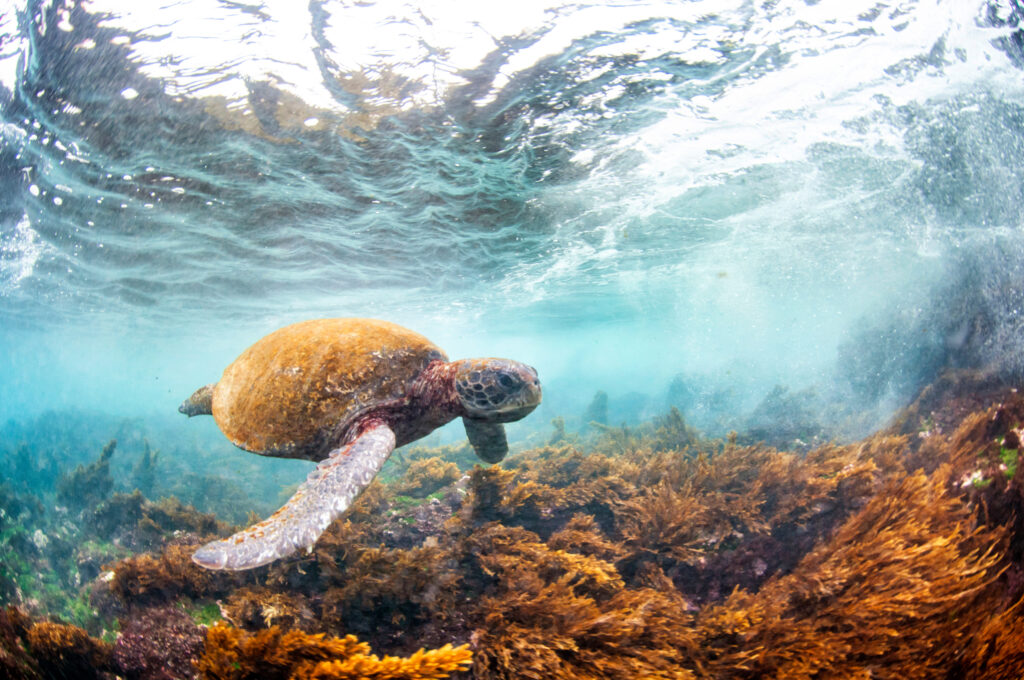
Despite the grim overall trend, the report identifies populations that have reversed course and are recovering. These cases demonstrate that wildlife restoration remains possible under certain conditions.
The 73 percent average decline encompasses vertebrate species across diverse ecosystems and regions. The scale of the loss reflects decades of habitat destruction, pollution, climate change, and overexploitation of wildlife.
The report's findings underscore an ongoing biodiversity crisis that has accelerated in recent decades. Vertebrate populations, which include mammals, birds, reptiles, amphibians, and fish, serve as indicators of broader ecosystem health. Their decline signals serious disruptions to natural systems that support human survival.
The identification of recovering populations within this otherwise dire landscape offers a counterpoint to the dominant narrative. These successes, though limited in number, suggest that targeted conservation efforts and policy interventions can slow or reverse population losses.
The "Living Planet" report presents both the scope of wildlife loss and evidence that recovery is achievable. Conservation strategies that have worked for specific populations could potentially be scaled or adapted for broader application. The report thus frames the biodiversity crisis not solely as a story of collapse, but as one that contains possibilities for restoration alongside documented losses.