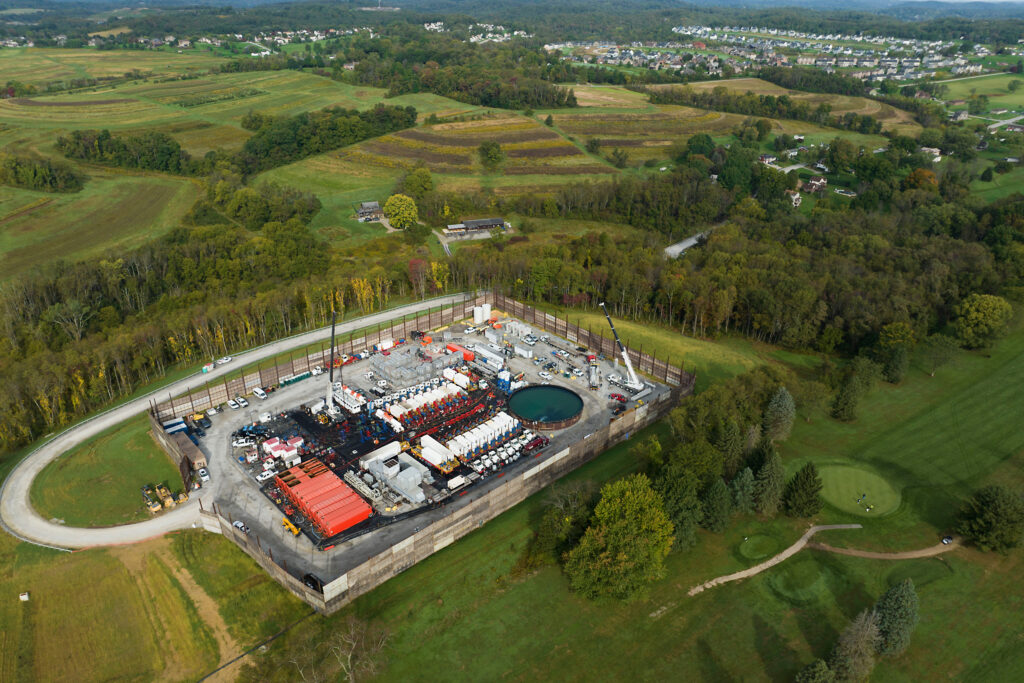
Researchers at Penn State University tested shallow groundwater aquifers near hydraulic fracturing sites in southwestern Pennsylvania and detected low overall radium levels, but the study reveals a more complex contamination picture than radioactive isotopes alone.
The investigation examined water samples from a limited number of wells in the region. While radium concentrations stayed below concerning thresholds, the research identified elevated salinity as a more pressing water quality problem in some areas near drilling operations. Salt concentrations in certain samples exceeded what Pennsylvania considers acceptable for drinking water and agricultural use.
The Penn State team collected samples from shallow aquifers, which supply water to rural residents who rely on private wells rather than municipal systems. These shallow formations sit above the deeper Marcellus Shale layer where operators inject water and chemicals to fracture rock and release natural gas. The researchers sought to determine whether fracking operations had contaminated these drinking water sources with naturally occurring radioactive material that exists deep underground.
Radium poses genuine health risks. The U.S. Environmental Protection Agency sets a maximum contaminant level of 5 picocuries per liter for radium in drinking water. Exposure to elevated radium levels increases cancer risk and causes bone damage. Previous studies from other regions have documented radium migration into groundwater following oil and gas development, making it a legitimate concern for communities near drilling sites.
The Penn State findings offer partial reassurance on that specific hazard. The detected radium levels remained low enough that researchers did not flag acute contamination from fracking operations. However, the researchers cautioned against drawing broad conclusions. The sample size remains too small to characterize radium contamination across southwestern Pennsylvania's extensive drilling footprint.
The salinity discovery complicates the pollution picture. Elevated salt concentrations degrade water quality for drinking, livestock watering, and irrigation. Sources of salinity near fracking sites include produced water brought up from deep geological formations and brine injected during drilling. Migration pathways from deep wells to shallow aquifers remain poorly understood, and the Penn State work suggests salinity may travel more readily than previously assumed in this region.
Pennsylvania has experienced rapid Marcellus Shale development over the past fifteen years, with thousands of wells drilled across the state. Residents near drilling operations have reported water quality problems and taste changes in their wells. State regulators have faced criticism for insufficient groundwater monitoring programs and delayed response to contamination complaints.
The Penn State research underscores gaps in baseline water quality data before drilling intensified. Without comprehensive pre-drilling measurements, determining whether specific contamination comes from fracking operations or natural sources becomes difficult. The state's Department of Environmental Protection has received thousands of water quality complaints but lacks the resources for systematic testing.
Operators in Pennsylvania must comply with state regulations requiring well construction standards designed to prevent cross-contamination between geological layers. Enforcement remains inconsistent, and some wells constructed before current standards took effect may pose greater contamination risks.
The researchers emphasized that longer-term monitoring with expanded sample coverage would better reveal whether salinity and other contaminants pose regional water quality threats. Communities relying on shallow wells in southwestern Pennsylvania should pursue private water testing given the documented salinity issues near drilling operations.