# Heavy Metals From Wildfire Smoke Persist in Survivors' Bodies, Study Finds
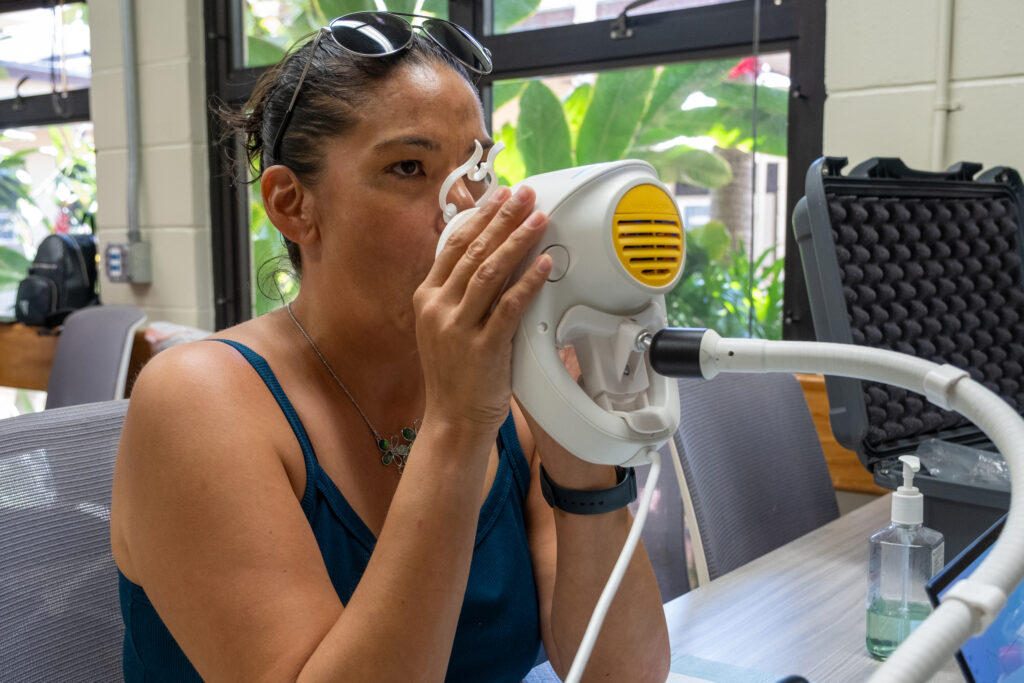
Three years after the devastating Maui wildfires, researchers are documenting a lingering health threat that extends far beyond the immediate smoke exposure. The Maui Wildfire Exposure Study, led by the University of Hawai'i, reveals that survivors continue to carry elevated levels of heavy metals in their bodies long after the smoke clears from the sky.
Dr. Martina L. Kamaka, a family medicine physician involved in the research effort, has observed consistently high concentrations of toxic metals among survivors she has treated. The study represents a rare longitudinal examination of how wildfire smoke exposure affects human health over extended periods, moving beyond standard air quality monitoring that focuses on particulate matter and ozone.
When wildfires burn, they don't just release carbon dioxide and ash. The intense heat mobilizes metals present in soil, vegetation, and built structures. Arsenic, lead, cadmium, and other heavy metals volatilize into smoke and enter the bloodstream through inhalation. These metals accumulate in lung tissue and can persist for years, causing chronic inflammation and cellular damage.
The significance of the Maui study lies in its documentation of what happens after emergency response ends. Most wildfire health research captures acute respiratory symptoms like coughing and wheezing during smoke events. The Maui effort tracks the trajectory beyond immediate recovery, measuring biomarkers of heavy metal exposure in blood and urine samples.
Heavy metal accumulation in lungs can trigger multiple pathways to disease. Lead exposure impairs cognitive function and increases cardiovascular risk. Cadmium damages kidney function and bone density. Arsenic exposure raises cancer risk and causes vascular disease. These harms don't announce themselves immediately. They compound over months and years as metals settle into lung tissue and dissolve slowly into circulation.
The Maui fires in August 2023 killed 102 people and destroyed the historic town of Lahaina, making them the deadliest U.S. wildfire in more than a century. Hundreds of thousands of people across the Hawaiian islands experienced significant smoke exposure. The research cohort includes families who lived through the event and those who fled as smoke spread.
Identifying heavy metal persistence changes how public health agencies should approach wildfire recovery. Standard post-fire air quality monitoring clears an area once particulate levels drop. But the University of Hawai'i findings suggest survivors need longer-term medical surveillance and potentially chelation therapy or other interventions to reduce body burden of accumulated metals.
The study also raises questions about which populations face greatest risk. Outdoor workers exposed during active fire suppression, young children with developing lungs, and people with pre-existing respiratory conditions likely accumulate higher metal loads. Socioeconomic factors determine access to healthcare for ongoing monitoring and treatment.
Results from the Maui research will inform wildfire response protocols nationwide. As climate change extends fire seasons and increases burn intensity, health departments must prepare for managing chronic heavy metal exposure in survivor populations, not just acute smoke inhalation. The three-year tracking effort represents a model for documenting long-term health impacts that invisible toxins create long after flames are extinguished.