# 'Forever Chemicals' Contamination Spreads Through Pennsylvania's Rural Water Systems
Per- and polyfluoroalkyl substances, known as PFAS or "forever chemicals," have infiltrated drinking water supplies across Pennsylvania's rural townships, forcing residents to confront contamination that persists indefinitely in soil and groundwater.
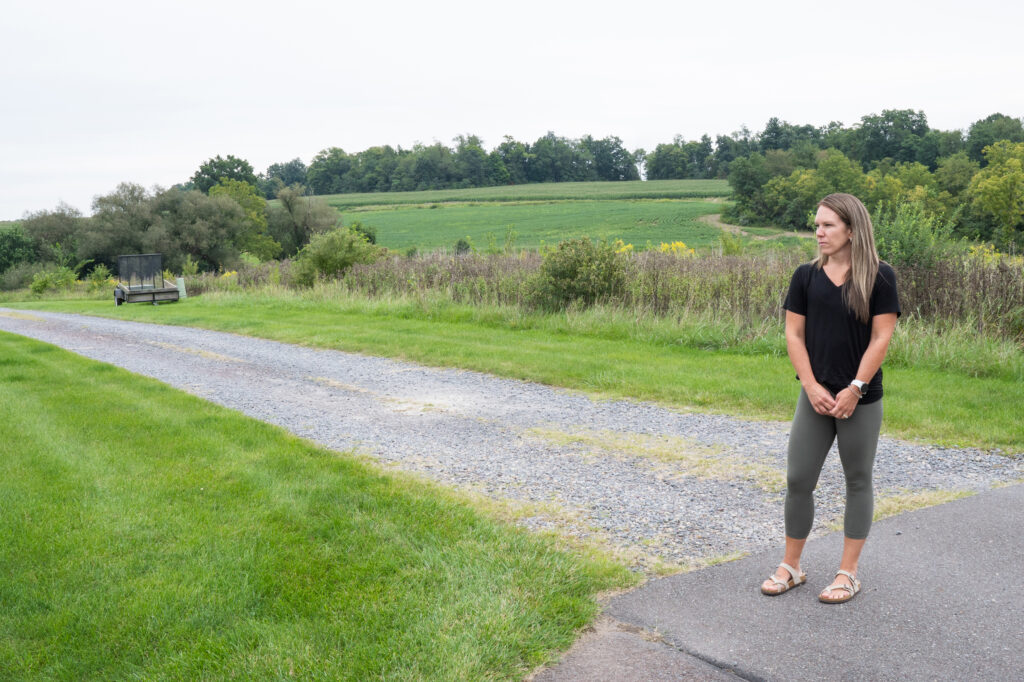
Nicole Williams returned to her childhood home in North Centre Township in 2011, only to discover that the water flowing from her taps contained PFAS compounds. These synthetic chemicals, engineered not to break down under natural environmental conditions, accumulate in human blood and organs over time. PFAS exposure links to kidney disease, thyroid dysfunction, reproductive harm, and immune system suppression in peer-reviewed studies.
The contamination stems from multiple sources. Aqueous film-forming foams, or AFFFs, used at airports, military installations, and firefighting training sites have leached PFAS into groundwater across the state. Industrial manufacturing facilities have released PFAS directly into rivers and soil. Wastewater treatment plants struggle to remove these chemicals, and biosolids from sewage plants spread PFAS onto agricultural land through fertilization practices.
Pennsylvania's North Centre Township sits downwind and downstream from these sources. Residents tap wells connected to contaminated aquifers. Municipal water systems struggle to install treatment infrastructure expensive enough to filter out all PFAS compounds. The U.S. Environmental Protection Agency established drinking water limits of 4 parts per trillion for PFOA and PFOS in 2023, but many Pennsylvania communities register levels exceeding those thresholds.
The state Department of Environmental Protection has tested water supplies in affected areas and identified PFAS plumes extending miles from known contamination points. Groundwater moves slowly, meaning contamination discovered today reflects releases from decades past. Cleanup timelines stretch across generations.
Williams and her neighbors face limited options. Bottled water costs mount for families on fixed incomes. Reverse osmosis systems and activated carbon filters remove PFAS but require regular maintenance and cartridge replacement. Homeowners bear these expenses personally, while industries that generated the contamination often escape financial accountability.
Litigation has begun. Residents have sued manufacturers of firefighting foams and industrial PFAS producers. Settlement funds have grown to billions of dollars nationally, but Pennsylvania communities compete for limited resources. Public water systems can apply for EPA grants, yet funding falls short of remediation needs statewide.
The chemistry works against rapid resolution. PFAS molecules contain carbon-fluorine bonds among the strongest in synthetic chemistry. Incineration at extreme temperatures destroys the chemicals, but treatment plants lack capacity. Researchers explore new technologies including electrochemical destruction and photodegradation, but deployment at scale remains years away.
Pennsylvania Governor Josh Shapiro's administration has proposed strengthening state-level PFAS regulations beyond federal minimums. The state legislature debates funding mechanisms for water system upgrades. Counties affected by PFAS contamination have declared public health emergencies.
For Williams and thousands of rural Pennsylvanians, the contamination represents a hidden cost of industrial development passed directly to residents with no choice in exposure. The permanence of these chemicals means today's children will inherit contaminated water systems and a cleanup burden spanning their lifetimes.