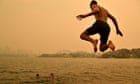
Australia's 2019-2020 bushfire season created an unprecedented air quality catastrophe, with smoke concentrations reaching 26 times the hazardous threshold in affected regions. The public health consequences extend far beyond the immediate burning season and remain poorly understood.
During the peak months of the crisis, major Australian cities including Sydney, Melbourne, and Canberra recorded air quality index readings that forced schools to close, hospitals to prepare for respiratory emergencies, and residents to limit outdoor activity. The Australian Bureau of Meteorology and state environmental agencies documented sustained periods where fine particulate matter (PM2.5) exceeded 200 micrograms per cubic meter. The World Health Organization classifies air as hazardous above 35.5 micrograms per cubic meter for 24-hour exposure.
The smoke came from approximately 18 million hectares burned across eastern Australia between September 2019 and March 2020. Bushfires in New South Wales alone released an estimated 80 megatonnes of carbon dioxide equivalent into the atmosphere. The fires burned through diverse ecosystems, including temperate rainforests and peatlands, which release particularly toxic compounds when combusted.
Bushfire smoke contains multiple hazardous pollutants beyond particulate matter. Carbon monoxide, nitrogen oxides, and volatile organic compounds all contributed to the toxic air mass. Fine particles penetrate deep into lung tissue and can cross into the bloodstream, triggering inflammatory responses throughout the body. Vulnerable populations face the greatest risk: children with developing lungs, elderly people with existing respiratory conditions, and individuals with cardiovascular disease.
Research from Australian medical institutions documented immediate health impacts during the crisis. Emergency departments reported surges in presentations for asthma exacerbations, bronchitis, and pneumonia. Ambulance call volumes in Sydney increased by up to 10 percent during peak smoke days. However, quantifying long-term health consequences presents a methodological challenge. Epidemiologists must separate bushfire smoke impacts from other air pollution sources, occupational exposures, and individual health behaviors.
The health effects extend beyond respiratory disease. Studies from previous large-scale fires, including California's Camp Fire in 2018 and Indonesian peat fires in 2015, demonstrate associations between sustained smoke exposure and cardiovascular events, premature births, and mental health disorders including depression and anxiety.
Australia's air quality monitoring infrastructure proved inadequate during the crisis. Many regional areas lacked real-time monitoring stations, leaving communities without precise hazard information. The nation's National Ambient Air Quality Standards, set in 1998, have not been updated since their introduction and remain less stringent than comparable standards in the United States and European Union.
Climate modeling suggests that Australia's fire season will intensify under continued global warming. The Intergovernmental Panel on Climate Change projects that fire-prone regions will experience longer burning seasons and more frequent mega-fires by mid-century. This trajectory indicates that the 2019-2020 bushfire air quality crisis represents a baseline for future exposure levels rather than an extreme outlier.
State governments have begun upgrading air quality monitoring networks and developing smoke forecasting capabilities. However, systematic investment in respiratory health surveillance and longitudinal cohort studies tracking affected populations remains limited. The bushfires exposed Australia's preparedness gap for climate-driven air quality emergencies.