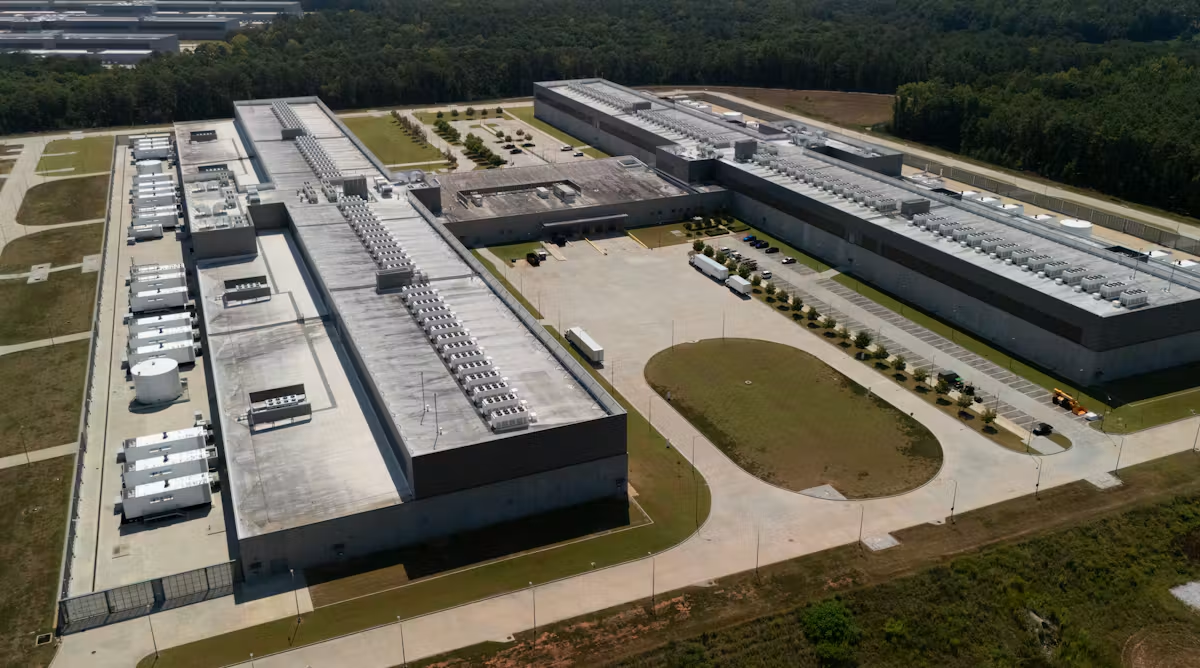
Two New Brunswick communities are approaching AI data centre development with different strategies for securing public acceptance.
In Fundy Shores, the mayor has called for new rules requiring future data centre developers to obtain council approval through a rezoning process, giving residents a voice before construction. In nearby Saint John, residents at a public meeting on a proposed Lorneville facility raised concerns about air quality, water consumption and project benefits. One resident concluded: "I think it demonstrates that there is no social licence for this project."
The term "social licence to operate" emerged in the mining industry in the 1990s to describe ongoing acceptance by people affected by a project. Unlike a government permit, it is not a formal legal authorization but an informal relationship between a developer and affected communities. The concept gained prominence when companies recognized that opposition from neighbours could delay or disrupt operations even with government approval.
A 2014 vote in Kitimat, B.C., on Enbridge's proposed Northern Gateway pipeline illustrates the tension around social licence. Of those who voted, 58.4 per cent opposed it. Opponents cited this as evidence the company lacked local acceptance. Some pipeline advocates objected that residents were claiming a veto over projects of national importance.
Claims about social licence depend heavily on who speaks for the community and whose views are counted. A public meeting reaches only some residents. A council resolution reflects elected representatives' positions. A vote reflects only those who participated. Each provides evidence about a different group.
The question of representation grows more complex when projects affect Indigenous nations. First Nations, Inuit and Métis communities have distinct rights, governing institutions and decision-making authority that cannot be subsumed into municipal consultation.
Social licence is not a one-time decision. After a facility opens, residents can measure promises against lived experience. In Sherbrooke, Quebec, the city agreed to supply electricity to Bitfarms for a bitcoin mining facility. Neighbours complained about noise after it opened. Though Bitfarms replaced fans and installed a noise barrier, the problem persisted. In 2021, the city and company agreed in principle to move the operation to an industrial park. A social licence largely depends on whether a project continues meeting expectations of affected people. Residents must have opportunities to hold operators accountable as they experience the project's effects.