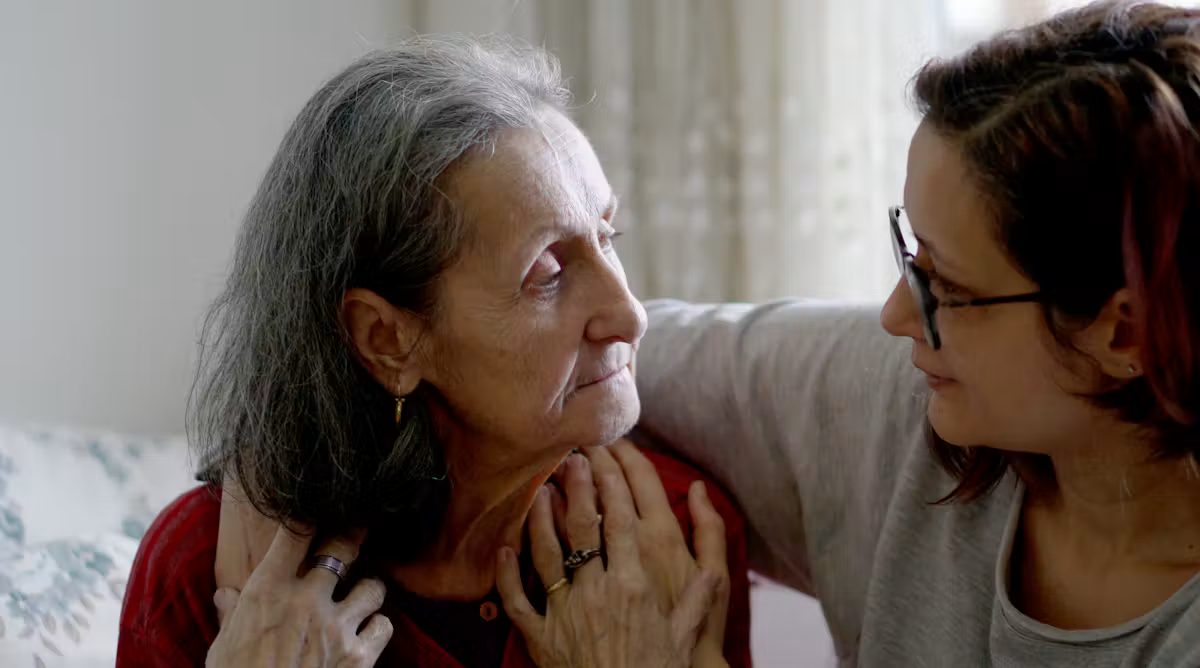
A "Saturday Night Live" sketch about daughters providing unpaid care for aging parents resonated widely because millions of Americans now face this burden. The skit features men who avoid helping their father and instead text their sister when he has a health crisis.
Caregiving by family members has grown to 63 million Americans, or about 1 in 4 adults. That work remains mostly unpaid despite estimates valuing it at about $1 trillion. Family caregivers enable older people to stay in their homes, reducing hospital and nursing home costs, but at significant personal cost.
Over 90% of caregivers cut their work hours, reducing wages and retirement benefits. Some quit paid jobs entirely. AARP estimates that family caregivers born between 1981 and 1985 will lose on average $120,500 in lifetime income due to caregiving. They also spend over $7,000 annually on out-of-pocket expenses for home modifications and care necessities.
The in-home care market illustrates the financial stakes. Average in-home care costs $35 per hour, totaling over $25,000 monthly for round-the-clock care, compared to a median annual household income of $87,460.
Research shows women bear most of this burden. Sociologists found that men with a sister do less parental caregiving than men without one, and women with a brother do more caregiving than women without one. Social psychologists attribute this to how children learn that caring is feminine and being uncaring is masculine, though no gender differences exist in caregiving ability.
A 2024 study found the gender gap may be narrowing. Female baby boom caregivers spent three times more time on household chores than male counterparts. This difference was much smaller among millennial caregivers, mostly because millennial women spent less time on household chores.