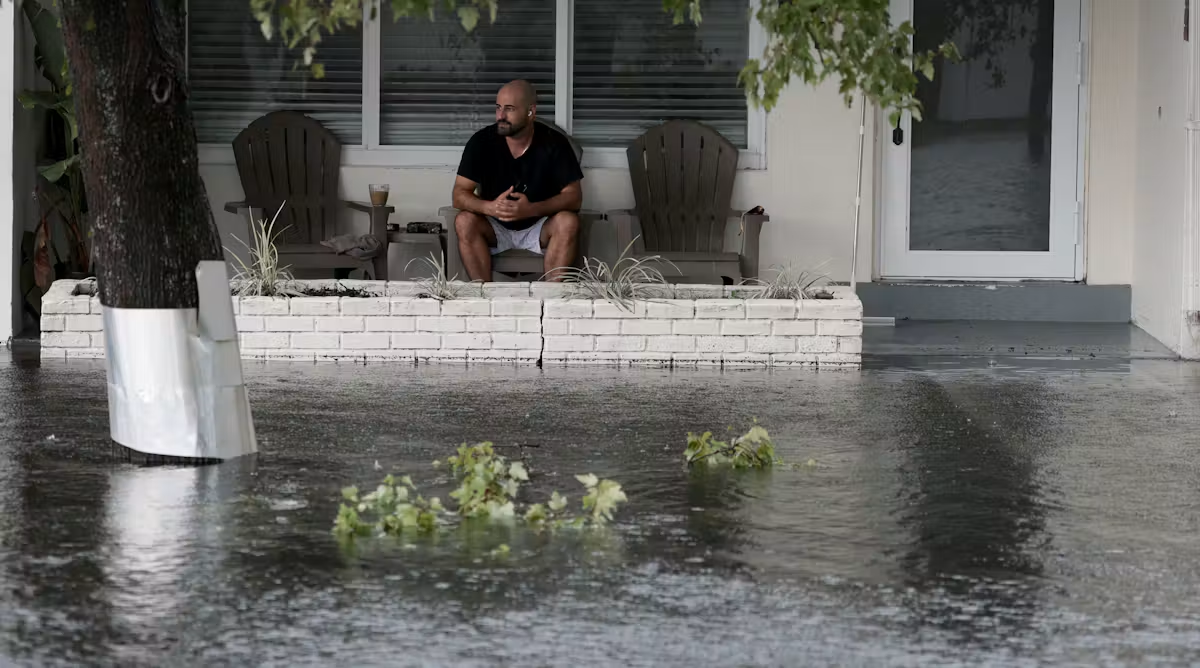
When more than a foot of rain fell across Florida's Atlantic coast starting November 17, 2026, it wasn't simply another weather event—it was a preview of environmental injustice. That deluge followed extreme downpours less than three weeks earlier, and forecasters warned of more rain still to come. For Fort Lauderdale residents watching water creep into their saturated yards, the November 2026 flooding echoed April 2023, when the city received more than 25 inches of rain in 24 hours. These aren't anomalies; they're harbingers of a climate crisis that will hit hardest those least equipped to handle it.
The research is unambiguous about who suffers most. Low-wage workers, older adults, and other vulnerable residents living in low-lying areas face the greatest risk from flash flooding because they lack resources to protect their properties and themselves. A 2023 study examining 29,070 housing units nationwide found that 57% of the population reported they were not prepared with food, water, emergency funds and transportation in case disaster struck. Even more damning: households facing housing insecurity—those behind on rent, mortgage or utility payments—were less prepared for disasters than others, regardless of income or education levels. The poorest among us are forced to choose between meeting daily needs and preparing for catastrophes.
Renters face particular peril. Lower-income families in the U.S. depend heavily on rental markets, move frequently, and cannot make safety upgrades to properties they don't own. Landlords, meanwhile, have little incentive to invest in protections against risks that seem rare but carry significant costs. Older adults in these circumstances face even steeper challenges: they're more likely to have health conditions or disabilities affecting evacuation ability, and social isolation means they may miss critical emergency information entirely.
The solution demands more than awareness campaigns or toolkit distribution, though these matter. Communities need investment in infrastructure—drainage systems, flood prevention measures, power grid strengthening—and guaranteed access to safe, affordable housing. Some jurisdictions have purchased frequently flooded properties and changed zoning rules to prevent further development in harm's way. Yet these efforts remain piecemeal, insufficient against the scale of climate change.
The Columbus, Ohio model, which partnered with the Central Ohio Area Agency on Aging to design action plans for vulnerable residents, shows what's possible when at-risk communities participate in planning discussions. But individual success stories cannot substitute for systemic change. As global temperatures rise and atmospheric moisture increases, flooding frequency and intensity will accelerate. Without decisive action to protect vulnerable populations through infrastructure investment, housing security, and community-led planning, the next Fort Lauderdale deluge won't simply repeat history—it will deepen the divide between those who can afford survival and those who cannot.