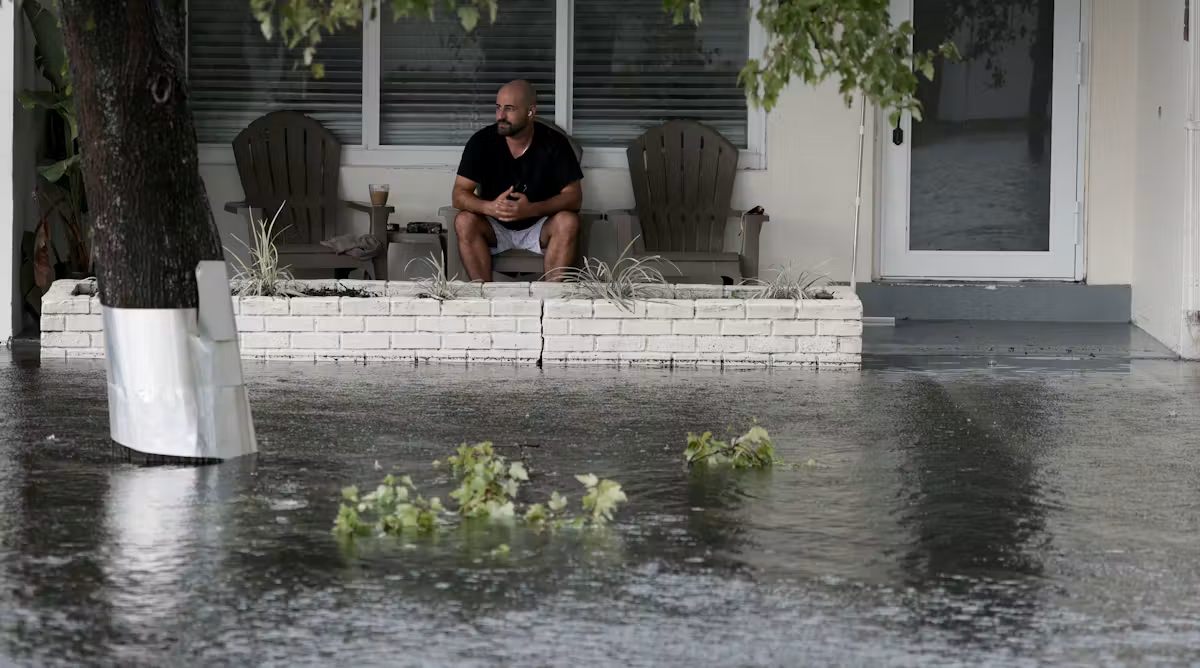
Florida's Atlantic coast received more than a foot of rain in 24 hours starting November 17, 2026, flooding streets and homes. This deluge followed extreme downpours in the same region less than three weeks earlier.
The November 2026 event mirrored a 2023 storm in Fort Lauderdale, when more than 25 inches of rain fell in 24 hours. Forecasters warned of additional rain to come.
A warmer atmosphere holds more moisture, leading to stronger downpours, according to climate science. These events are expected to increase in frequency and intensity in many regions as greenhouse gas emissions continue to heat the planet. The effects of a strong 2026-27 El Niño contributed to these risks.
Low-wage workers, older adults, and other vulnerable residents living in low-lying areas face the greatest risk from flash flooding. These populations often have few resources to protect their properties and themselves. Low-income communities with tight budgets cannot afford protective measures like upgraded levees or stormwater systems and cannot recover from damage quickly.
Older adults in flood-prone areas face additional risk. They have a higher likelihood of health needs or disabilities that could affect their ability to leave during a disaster. Social isolation may prevent them from hearing timely information or accessing evacuation help.
A 2023 study examining disaster preparedness across the U.S. among 29,070 housing units found that 57 percent of the population reported they were not prepared with food, water, emergency funds and transportation in case disaster struck. Households facing housing insecurity were less prepared than others with similar incomes and education.
Renters face particular challenges. Lower-income families often depend on rental housing, move more frequently, and cannot make safety upgrades since they do not own the property. Landlords may not prioritize rare risks that carry costs.
Solutions tailored to communities can address these challenges. These include investing in drainage systems and large-scale flood prevention measures, ensuring access to safe and affordable housing, and raising awareness about climate and weather risks among at-risk populations. Some communities and federal agencies have bought out properties that frequently flood and changed zoning rules.
A partnership between Columbus, Ohio and the Central Ohio Area Agency on Aging created an action plan toolkit for disaster preparedness among older residents in affordable housing communities. The toolkit helps social service providers prepare low-income residents for extreme weather.