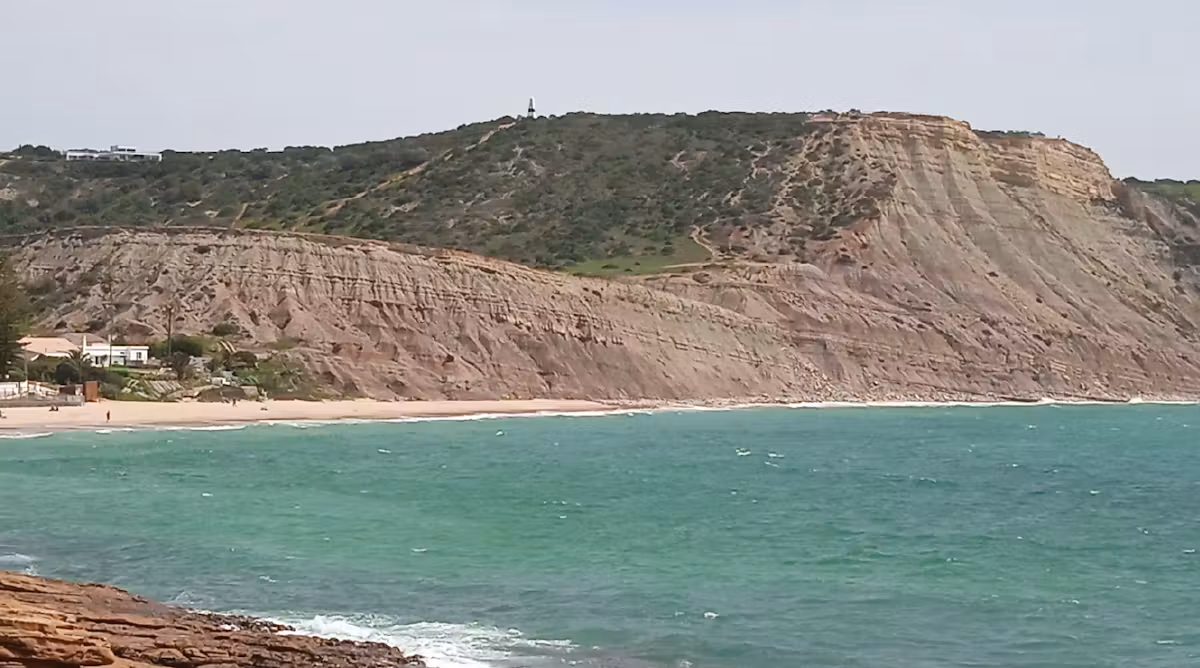
Researchers studying microscopic fossils in Portugal's Algarve region discovered four previously unknown species of freshwater algae in rocks dating back 115 million years. The team, working with charophytes to determine rock age through biostratigraphy, collected samples from Praia da Luz and found species that challenged existing timelines for algae evolution.
The discoveries included Echinochara rebellis, a genus from the extinct Clavatoraceae family with unexpected characteristics for its geological age. They also found Lychnothamnus pileatus, a modern genus previously documented only in 80-million-year-old rocks, and Nitellopsis lilliputiensis, which was significantly smaller than known species. A fourth new genus, Acroleptochara cynetica, featured unusually tapered upper cells that specialists from Barcelona, Montpellier, Argentina and China had never encountered.
The researchers hypothesize that around 115 million years ago, a short cooling period of roughly 2 million years caused sea levels to drop and created continental lakes where these algae thrived. This timing suggests the Characeae family began expanding about 30 million years earlier than previously thought, while the older Clavatoraceae family was still dominant and evolving. The two groups did not simply replace one another but diversified simultaneously.
The study was funded by IBERINSULA and IBERCAFO research programs financed by Spain's Ministry of Science and Innovation and the European Regional Development Fund, conducted with researchers from the University of Coimbra, University of Algarve, and Leibniz University Hannover.