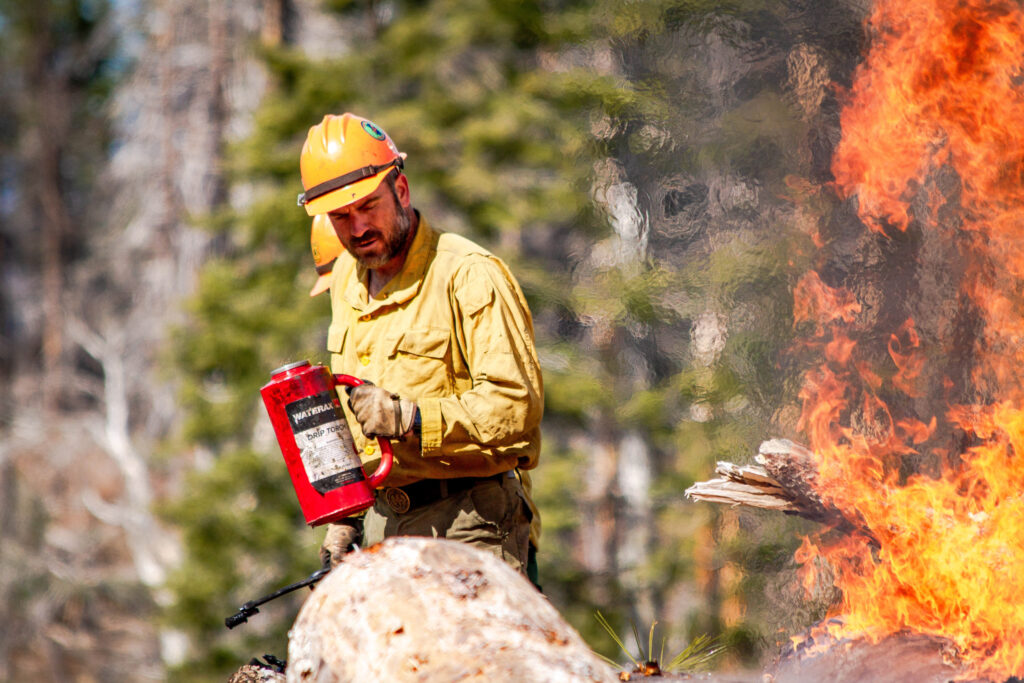
Prescribed burns intended to reduce catastrophic wildfires in New Mexico escaped control in April 2022, eventually merging into the Hermit's Peak/Calf Canyon Fire, the largest wildfire in state history. The blaze swept across more than 340,000 acres, destroyed more than 900 structures in San Miguel, Mora and Taos counties, and caused a flash flood that killed three people.
The fire began when strong winds carried a carefully planned burn beyond its control line on April 6, 2022. The escaped burn later merged with another prescribed fire that had survived the winter as a "sleeper" fire from a January pile burn operation.
A Government Accountability Office investigation found that fire managers had followed an approved burn plan, but weather and vegetation conditions were much drier than understood at the time.
Prescribed burns are a critical tool to reduce catastrophic wildfire risk. The U.S. Forest Service conducts about 4,500 prescribed burns annually, treating an average of 1.3 million acres, with more than 99.9 percent not escaping the planned burn area. Recent research from Stanford University found prescribed burns conducted from fall 2018 through spring 2020 reduced wildfire severity by 16 percent across the Western U.S. compared to untreated areas. A 2023 study found low-intensity fires reduced the risk of high-intensity wildfire by about 60 percent in California's fire-prone forests.
However, wildfire litigation against utility companies has exploded over the past decade, with ignition often equaling culpability in courts regardless of weather and fuel conditions. This legal precedent has extended to other ignition sources. Some companies carrying out prescribed burns have lost insurance coverage or seen premiums soar. A Forest Service spokesperson said the controlled risk of prescribed burns under rigorous plans is significantly lower than the threat of uncontrolled wildfires. Amanda Rau, the Oregon Department of Forestry's prescribed burn coordinator, noted that burns targeting areas where they matter most carry more risk because they occur near communities and roadways.