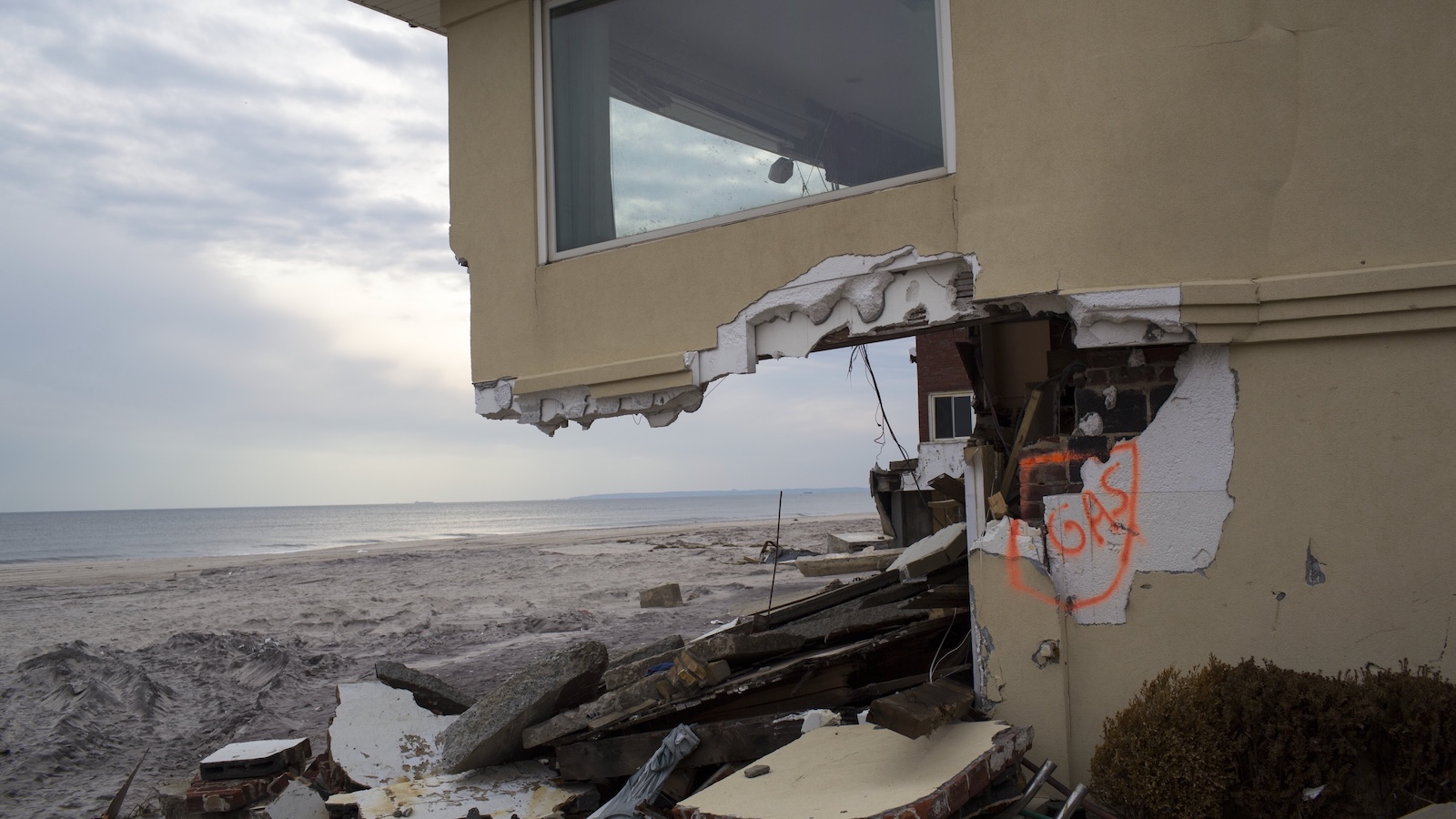
FEMA's Hazard Mitigation Grant Program has spent over $6 billion buying out more than 53,000 properties in disaster-prone areas since 1988, according to a study published today in Science Advances.
Rachel Young, an environmental economist at the University of Minnesota, found that the program succeeded in relocating people to lower-risk areas. Participants were about 20 percentage points more likely to relocate in the first five years than similarly impacted non-participants, and this difference persisted for at least 15 years.
From a financial perspective, Young said the federal investment tends to pay for itself through avoided insurance claims and lower disaster costs, provided the program targets people who move to less risky properties. Participants also saw their debt levels fall in the short term.
However, the study found significant disparities. Participants from higher-income neighborhoods were more likely to relocate and move to areas with greater economic opportunity. Households from majority-Black or low-income neighborhoods moved less frequently and experienced smaller improvements.
The program operates through local or state governments that request federal funding. The government typically covers 75 percent of the property's cost, offering to buy properties at their pre-disaster market value.
A.R. Siders, director of the University of Delaware's Climate Change Science and Policy Hub, said this national-level analysis builds on smaller-scale studies of the same inequity pattern.