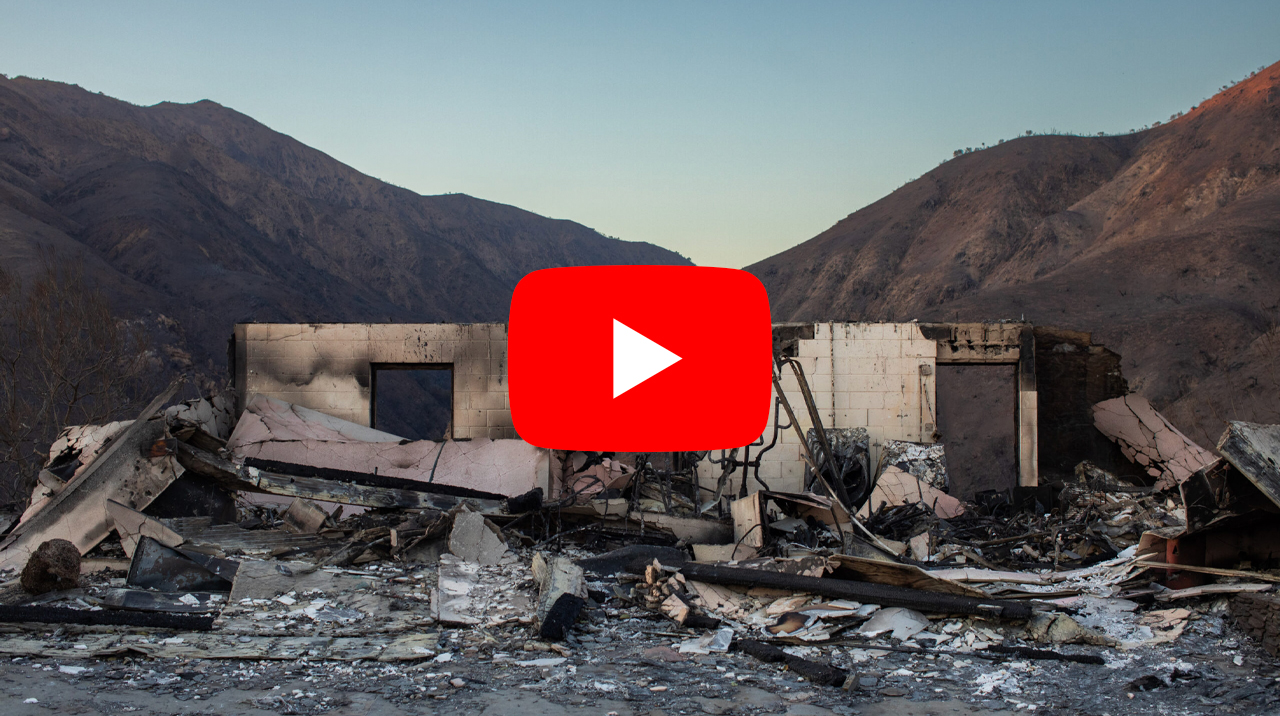
The Maui wildfires of August 2023 killed more than 100 people and destroyed more than 2,200 buildings, making them the deadliest fires the U.S. has seen in more than a century. Three years later, recovery remains slow. As of October, only about 330 buildings out of 2,200 destroyed have been completed or are under construction, and more than 12,000 people remain displaced, many still in temporary housing.
A multi-year research project from the University of Hawaiʻi, the Maui Wildfire Exposure Study, has enrolled more than 2,500 participants to track health impacts. Researchers have found widespread mental health effects, including high levels of depression, anxiety and PTSD, closely linked to housing instability and lack of employment. Survivors also report breathing troubles and elevated levels of heavy metals in their urine months after the fires. Some of these metals are linked to elevated cancer risks.
The study has identified health impacts in children as well, including ongoing emotional stress and trauma, blood pressure issues, and lung problems. Food insecurity and declining social support persist three years after the fires.
Urban wildfires expose people to different hazards than forest fires. When fire burns through homes, cars, electronics and synthetic materials, it releases chemicals and toxins not present in organic materials. Researchers are still working to pinpoint sources of the heavy metals found in survivors' urine, investigating whether some may come from historical agricultural, industrial or plantation activities on Maui.
The Los Angeles Palisades and Eaton fires of early 2025 have created similar recovery challenges. Researchers have found contaminated homes with lead, cadmium, and in some cases cyanide and arsenic in crawl spaces. Scientists have expressed concern about potential long-term cancer impacts comparable to those following 9/11.
Research efforts face funding pressures as the Trump administration reshapes FEMA and other agencies historically supporting disaster recovery.