The World Meteorological Organisation expects El Niño to strengthen into a very strong event towards the end of 2026, with effects likely to continue into early 2027. This super El Niño brings increased risks of drought, heatwaves, water stress, loss of grazing for livestock, lower grain yields and veld fires.
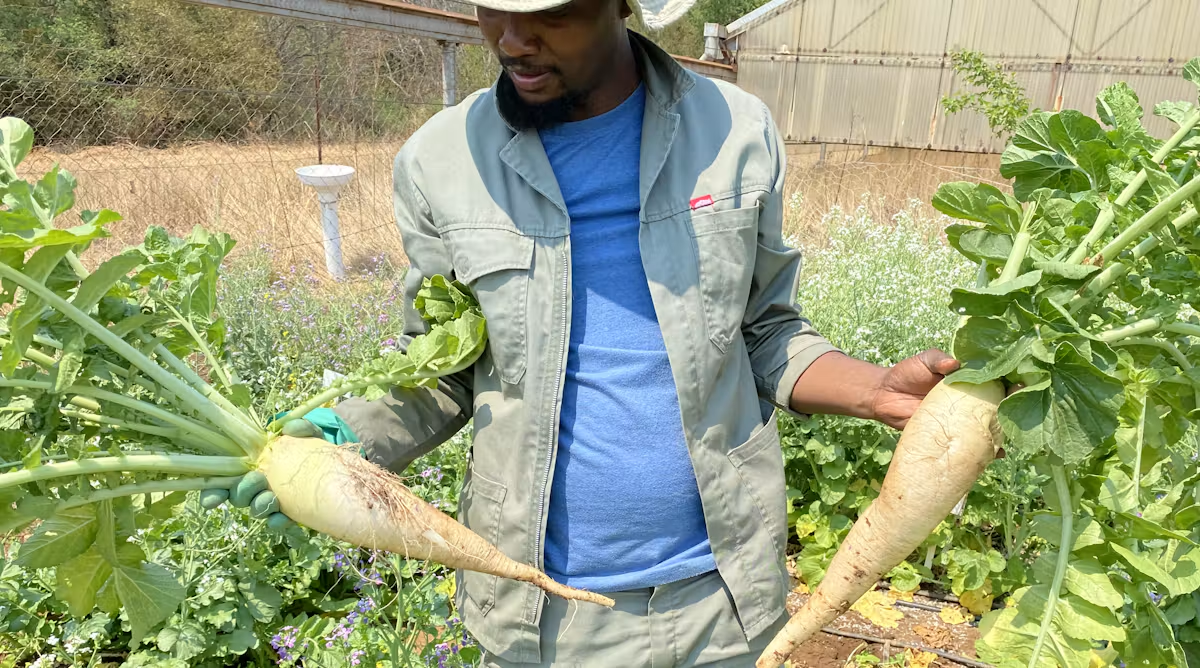
Agricultural researchers at Cedara in the KwaZulu-Natal Midlands tested planting dates for fodder radish, a quick-growing plant used to feed livestock during dry periods. They planted over four months using rainfall alone and no fertiliser, reflecting conditions available to smallholder farmers.
Planting dates mattered. Earlier planting in December and January produced better outcomes overall. Fodder radish planted in December produced much more tuber, while January plantings produced the most leafy feed and protein content. Earlier planting dates also showed higher concentrations of minerals such as phosphorus, potassium and zinc in leaves.
The timing of planting should take into consideration local climatic conditions and whether farmers want to harvest more leaves and stems or more tubers. Farmers should think about planting as a window rather than a fixed date, adjustable within a season to fit times of early and late rainfall.
The researchers note their experiment ran over only two planting seasons in one small area. The same results won't apply in other parts of South Africa with different soil types, climate and rainfall patterns. More trials are needed in different places, using different crop varieties, planting times and rainfall conditions.
The authors state that climate information needs to reach farmers before planting decisions are made. Agricultural advisors, meteorological services and researchers must work together to translate season forecasts into practical recommendations for farmers about when to plant.