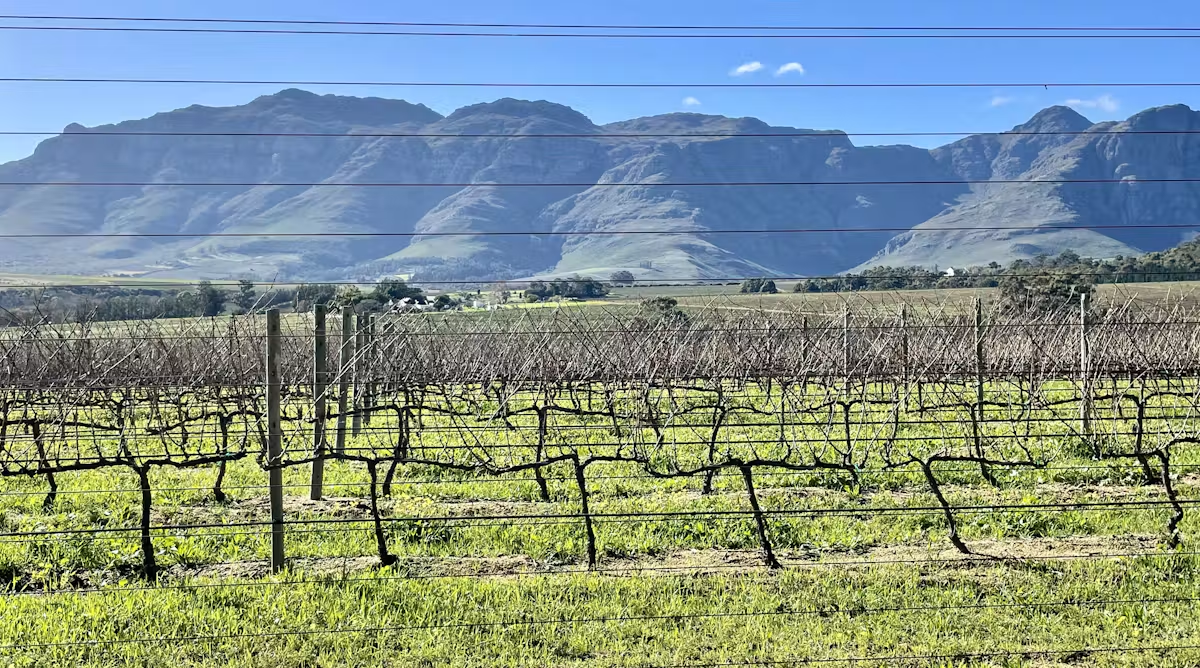
South Africa's Western Cape produces about 90% of the country's wine across more than 500 vineyards in one of the world's most biologically diverse regions. Temperatures there have risen 1.5 to 2 times faster than the global average over the past five decades. A severe three-year drought in the late 2010s reduced grape production and placed vineyards under intense stress.
Researchers studied 107 vineyards, about 20% of the total, to understand how producers respond to environmental and economic pressures. The team found that many vineyard operators view long-term stewardship and conservation as essential to business success rather than competing with production goals.
Most South African vineyards participate in the Integrated Production of Wine certification system, created in 1998 by the wine industry and researchers. The system sets standards for pesticide use, water management, wastewater treatment and environmental stewardship, with independent auditing to verify compliance.
Growers are adopting specific practices to build resilience. Many restore native vegetation along waterways and remove alien species to protect wetlands and rivers, which research shows improves water retention and landscape resilience. Some plant cover crops like legumes, oats, rye, radish and mustard between vine rows to improve soil structure, increase organic matter, reduce erosion and improve water retention.
Several producers reduce reliance on chemical pesticides by monitoring pest populations closely and responding in targeted ways. Some encourage beneficial insects and manage habitats that support natural pest control, which also reduces disease risk.
Growers emphasized that maintaining healthy soils, conserving water and reducing vulnerability to drought and disease are essential to keeping vineyards productive. Several described diversifying business models and switching crops to adapt to hotter, drier conditions, as the area in vineyard production in South Africa has decreased.