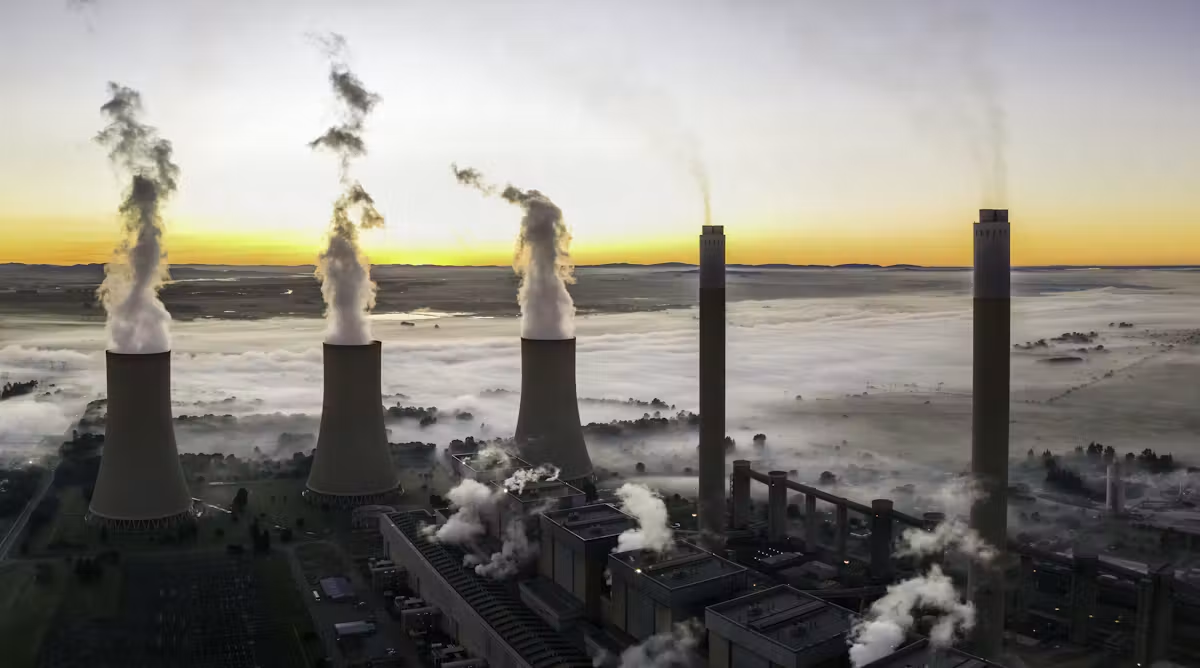
South Africa has committed to reducing greenhouse gas emissions between 320 million and 380 million tonnes by 2035, according to its Second Nationally Determined Contribution submitted to the United Nations. The country coal generates over 70 percent of its electricity, raising questions about whether it can meet its own targets.
Legal scholars from the University of Venda compared South Africa's climate pledge against guidance issued by the International Court of Justice in 2025. The court stated that governments must back climate promises with action and prove they have taken steps to prevent environmental harm. Simply announcing plans to reduce emissions is not enough.
South Africa adopted a new Climate Change Act in 2025, but delayed the date when some provisions became legally binding. These included clauses covering climate adaptation, funding, and emissions requirements. The country's constitution protects the right to a healthy environment and requires action on climate change.
South African courts have enforced environmental duties. In a case brought by environmental group Earthlife Africa, courts ruled the government must consider the negative future climate effects before approving new coal-fired power stations. In another case, courts found that failures to address air pollution violated constitutional environmental rights.
The researchers identified three priorities for South Africa. The government must set clear emissions limits for major polluters and require different economic sectors to cut emissions with specific deadlines. Energy planning must support climate targets through investment in cleaner energy while protecting coal workers and communities. South Africa should explain at COP31 how it plans to meet its 2035 targets and secure support for the transition away from coal.