On August 8, 2023, Maui was hit with the deadliest wildfires the U.S. has seen in over a century. They killed at least 102 people, displaced nearly 13,000 residents, and destroyed more than 2,200 buildings. Three years later, just 15 percent have been rebuilt. Yet the researchers working to understand and heal the survivors' wounds face an unconscionable threat: the critical federal support keeping their vital work alive is running out, and grant applications have been met with silence for months.
The Maui Wildfire Exposure Study, or MauiWES, led by University of Hawaiʻi professors Ruben Juarez and Alika Maunakea, represents exactly the kind of rapid-response public health infrastructure our nation desperately needs. Three years and 2,500 participants into their work, they've built far more than a research project—they've created a model that combines blood work, lung function tests, and mental health screening with therapy, food assistance, cash support, and help connecting survivors with doctors and insurance. David Eisenman, a longtime disaster researcher at the University of California, Los Angeles, called this holistic approach "singular." Other experts across the country are paying attention, recognizing MauiWES as a potential national blueprint.
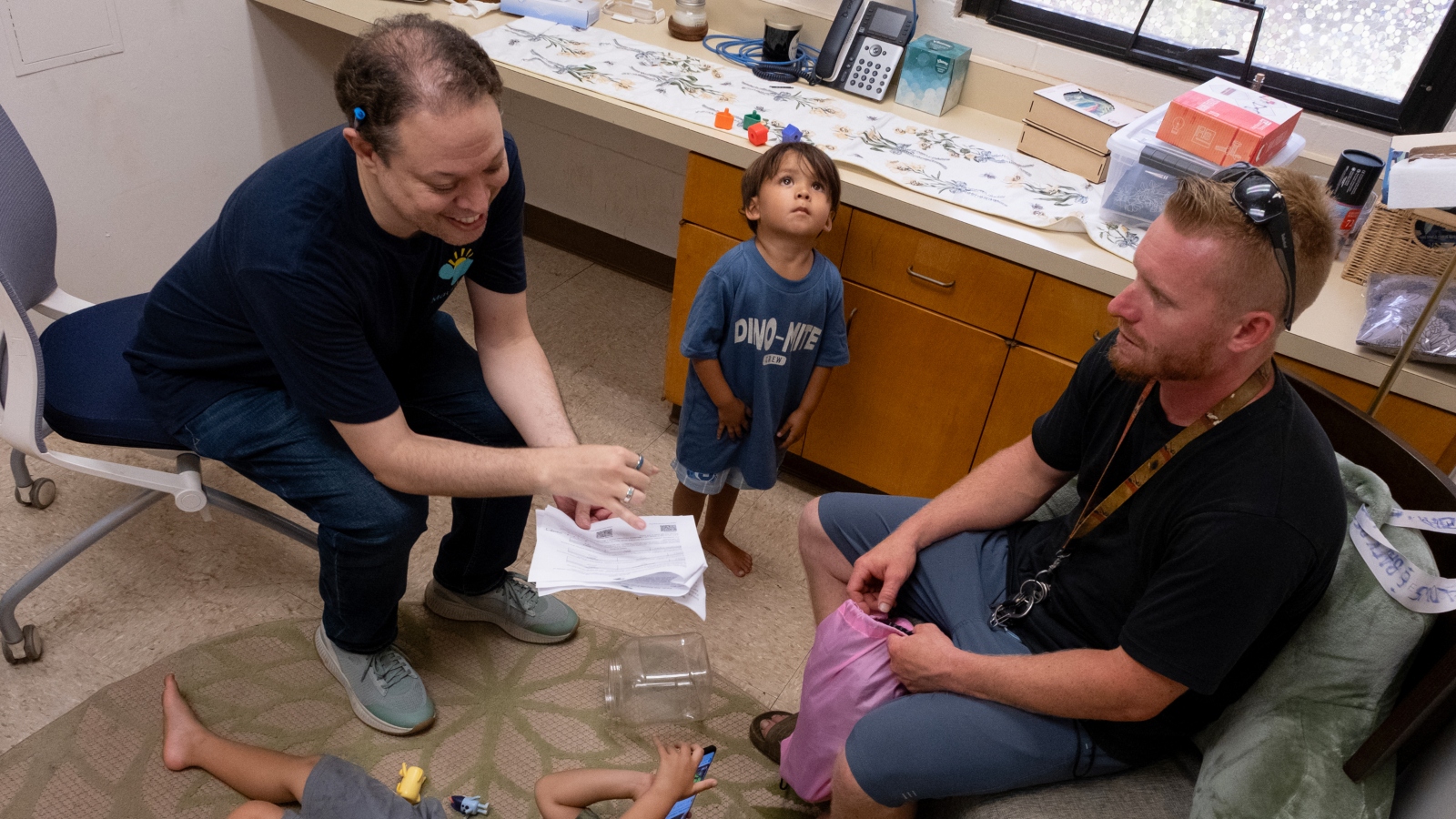
But here's the crisis: state funding fell through just two weeks before a critical May event. The researchers continue their work anyway, unable to turn away participants on an island already suffering from a severe healthcare provider shortage. On the morning Juarez and Maunakea conducted tests at the Lahaina Comprehensive Health Center, they didn't know if this would be their last major event. Juarez felt distraught. It felt like the end. Only Maunakea refused to accept defeat, insisting the need was too great to let the study collapse.
The Panis siblings—Lisa and Nilsson, survivors of the fires—represent exactly why this work cannot stop. Their father is descended from Filipino immigrants brought to work sugar plantations over a century ago, part of a long pattern of exploitation and disenfranchisement in Lahaina. After the fires, Nilsson spent 12-hour days, seven days a week, clearing debris in the burn zone, breathing ash and dust without proper protection. Neither sibling knew the full health impacts they'd already suffered. They needed MauiWES.
Federal agencies must understand that allowing this study to collapse would be an act of abandonment. The researchers hope MauiWES could continue for at least a decade—a reasonable timeline for tracking long-term health outcomes after disaster. Instead, they're left fundraising frantically while serving 2,500 survivors with uncertain resources. Congress should immediately secure sustained funding for this proven model. The Maui fires revealed America's vulnerability to climate-driven disasters; our response reveals our commitment to those left behind.