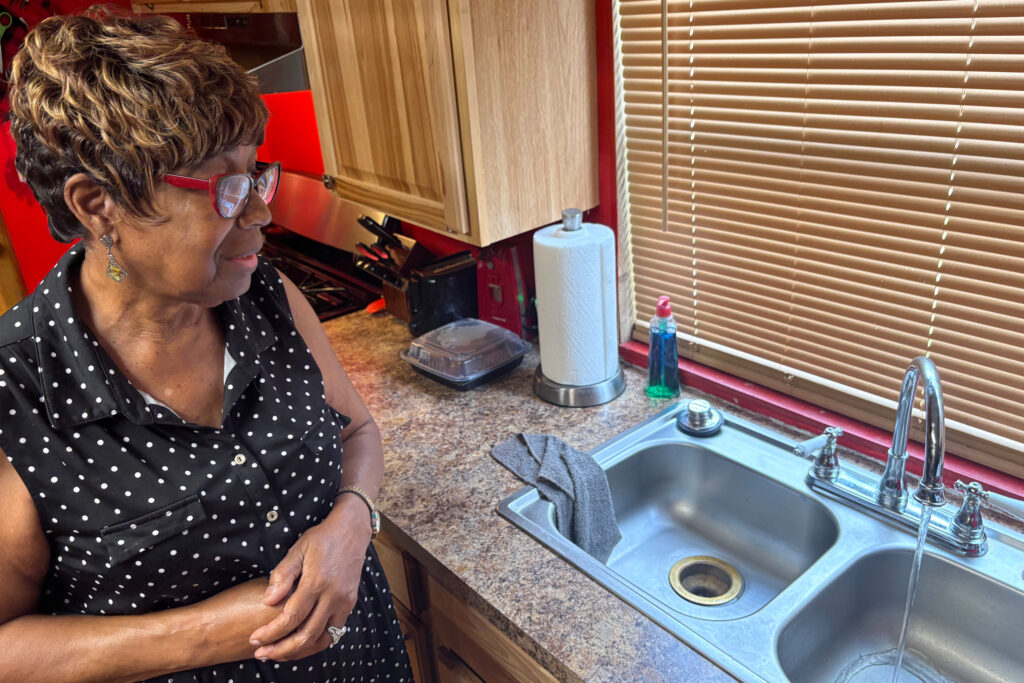
Ann Jones, 81, turns on her kitchen faucet in Whitted, Florida and watches brown water flow out sometimes. The water ranges from clear to the color of iced tea, forcing residents of this unincorporated historically Black community to question the safety of their tap water.
Whitted, a community of approximately 52 residents, faces drinking water quality issues that reflect broader environmental justice concerns. The brown discoloration suggests contamination or degradation in the water distribution system serving this small Florida enclave.
Inside Climate News reports on the situation, highlighting how residents in historically marginalized communities often experience disproportionate exposure to environmental hazards. Jones and her neighbors lack consistent access to clean drinking water, a basic necessity that wealthier and predominantly white communities typically take for granted.
The problem underscores how infrastructure failures and environmental inequality intersect in rural and historically Black areas. Whitted's small population size may factor into why water quality issues persist. Smaller communities often struggle to fund necessary infrastructure repairs and maintenance compared to larger municipalities with greater tax bases and resources.
Access to safe drinking water remains a fundamental public health issue. Residents exposed to contaminated or discolored water face potential health risks, though the specific contaminants in Whitted's water system remain unclear from available reporting.
The situation in Whitted exemplifies systemic disparities in environmental protection and infrastructure investment. Historically marginalized communities continue experiencing preventable water quality crises while regulatory agencies and local governments struggle to ensure equitable service delivery across all populations.