South Africa's government distributes responsibility for water, housing, social grants, clinics and waste collection across different spheres, departments, municipalities and public offices. Citizens often know what has gone wrong but not which authority can fix it or where to report it.
Community developers help bridge this gap. They help residents organize, understand government procedures and raise concerns with relevant authorities. In 2024, the government reported employing 23,561 social service professionals in this wider workforce.
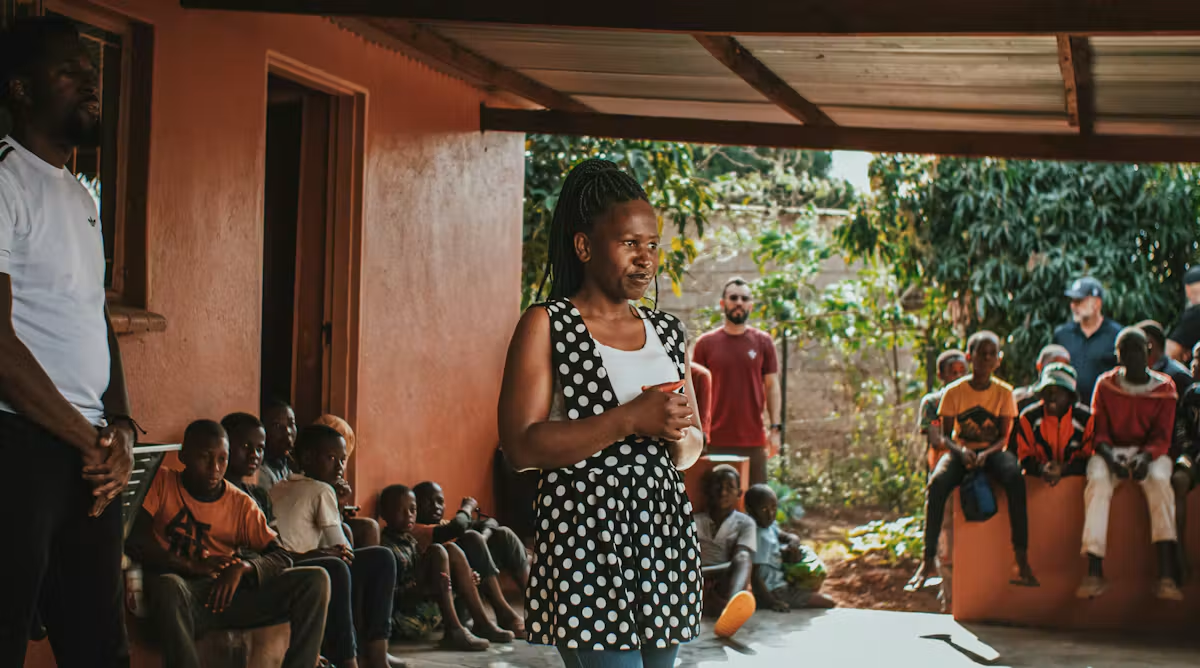
A recent study of 12 community developers working in government, non-governmental organizations and civil society across six of South Africa's nine provinces identified five key roles they play. They mobilize residents around shared concerns. They explain government systems to residents. They communicate community concerns to officials. They help manage interactions between citizens and public institutions by translating complicated government documents. They follow up on issues residents have raised.
In Rustenburg's Sondela informal settlement, one community development worker supported the Phepafatso Project, an initiative addressing waste and sanitation problems. The project got residents together for clean-ups and waste separation through community and school-based awareness activities, converting illegal dumping areas into vegetable gardens and developing sanitation solutions.
One respondent described the translation role: "Many people know that services are not working properly, but they do not know where to report or how the system works. Our job is to explain how the process works and who is responsible."
Another described the challenge of making official information usable: "The documents from the government are often complicated. We have to break them down and explain what they mean so that people can understand what services they are supposed to receive."
Study participants reported inadequate resources for transport, venues and follow-up activities from their employing organizations. Community developers cannot make up for public institutions that do not respond. The job of repairing a road, resolving a water interruption or delivering a public service remains with the institution.
The author calls on South Africa's national and provincial departments and municipalities to treat community developers as part of government's connective infrastructure. This requires providing training and resources, establishing clear systems for referring community concerns to responsible officials and tracking responses.